
English
In the modern food processing industry, the texture, mouthfeel, and physical stability of the finished product are the core elements that determine its market competitiveness. As an advanced ultra-fine pulverization technology, ball milling technology is being widely applied in the refined processing of all categories of food ingredients. Whether through dry pulverization or wet milling, ball milling technology can precisely control material particle size, helping global food manufacturers achieve a transformation from traditional processing to high-end refined production.
The core of food ball milling technology lies in utilizing grinding media (such as food-grade ceramic balls or stainless steel balls) under high-frequency movement to generate impact, compression, and shear forces. By optimizing process parameters, this technology can perfectly adapt to various food raw materials with different physical characteristics:
Wet Milling Process — Applicable Materials: Slurries, high-fat raw materials, liquid mixtures. Process Advantages: Conducting ultra-fine control within a liquid medium effectively prevents materials from deteriorating due to frictional heat generation, ensuring uniform emulsification and dispersion of high-fat or moisture-containing foods.
Dry Milling Process — Applicable Materials: Heat-sensitive solids, dehydrated vegetables, fibrous grains, and various food additives. Process Advantages: Achieving cell-wall-breaking level pulverization, it significantly improves the fluidity and water solubility of dry powders without destroying the original nutritional ingredients and flavor of the materials.
Temperature Control Technology — Process Advantages: Equipped with a cooling jacket system, it maintains a constant temperature within the grinding cavity at the optimal range, perfectly preserving the natural active ingredients and color of heat-sensitive foods.
Through the refined treatment of ball milling technology, various types of food demonstrate an unparalleled leap in quality at the final finished product stage:
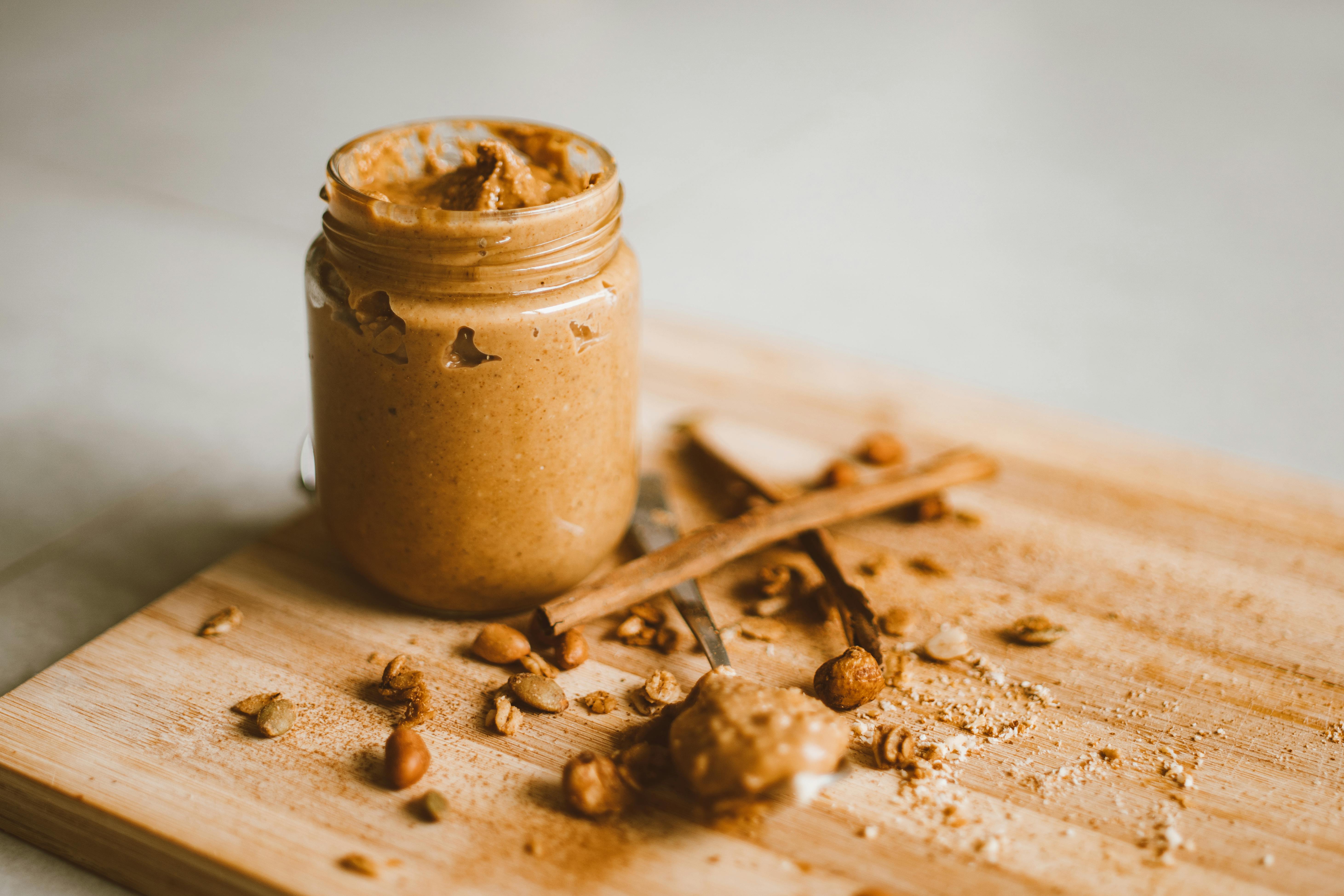
Slurries and Emulsified Foods: Ultimate Smoothness, Elimination of Layering — Representative Products: Chocolate, nut butter (peanut butter/sesame paste), plant-based dairy (soy milk/oat milk). Quality Enhancement: Direct reduction of particle size to below 20 microns, surpassing the perception limit of graininess by the human tongue. Chocolate becomes finer and smoother, the oil separation rate in nut butter is significantly reduced, and plant-based milk emulsions remain stable without separating after long-term storage.
Solid Beverages and Instant Powders: Instant Dissolution, Flavor Release — Representative Products: Instant coffee, instant tea powder, fruit and vegetable powder, functional meal replacement powder. Quality Enhancement: The micronization process greatly increases the specific surface area of the powder. The final product exhibits second-level dissolution speed when reconstituted, with no clumping or sedimentation, and the flavor substances inside the raw materials can be more fully released.
Dietary Fiber and Deep Processing of Grains: Texture Improvement, Processing Performance Enhancement — Representative Products: Whole grain flour, wheat bran powder, deep-processed fibers from agricultural products. Quality Enhancement: Traditional dietary fiber often limits its application in baked goods due to its coarse texture. After ball milling micronization, the coarse sensation of the fiber completely disappears, allowing it to integrate perfectly into flour. While maintaining high fiber nutrition, it endows bread and biscuits with excellent baking texture.
Food Additives and Condiments: Uniform Dispersion, High Efficiency Utilization — Representative Products: Natural pigments, flavors and fragrances, compound seasoning powders. Quality Enhancement: Fine particles make colors brighter and easier to mix evenly. Seasoning powders possess stronger adsorption and diffusibility, thereby reducing the dosage of additives used in production and saving comprehensive manufacturing costs.
In the global food market that pursues high quality and innovative craftsmanship, ultra-fine ball milling technology is undoubtedly a crucial bridge connecting raw materials and excellent finished products. By precisely controlling particle size and perfectly retaining core flavors and nutrition, ball milling technology is comprehensively reshaping the smoothness of chocolate, the instant solubility of solid beverages, and the stability of plant-based foods. As an industry-leading equipment manufacturer, we are always committed to providing global buyers with food-grade ball mill systems that meet strict FDA and GMP standards. Whether you need to optimize existing production processes or develop disruptive new foods, our customized ball milling solutions can help your products stand out in overseas markets, winning the favor of more consumers with ultimate textures.