
English
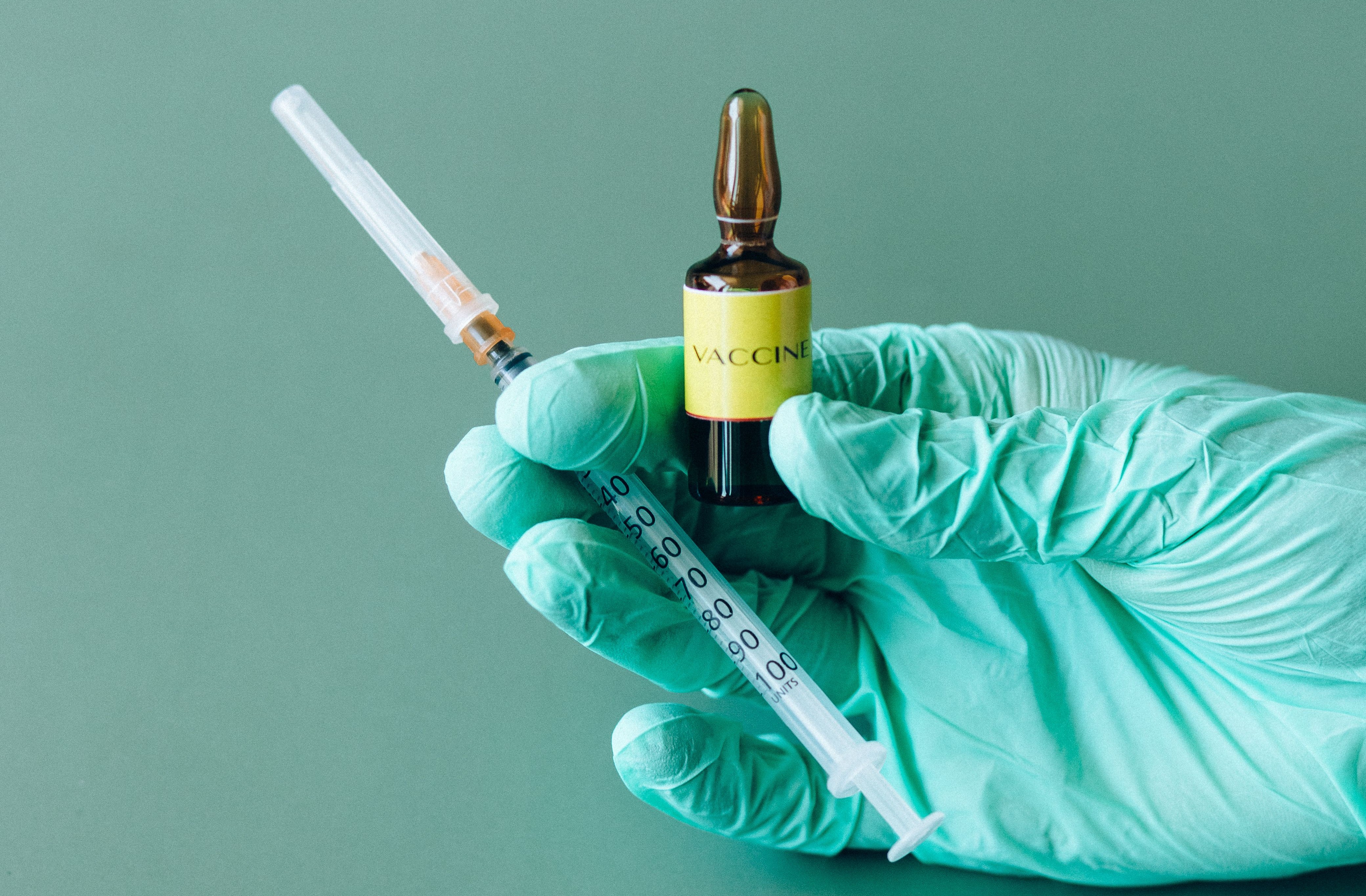
In the biopharmaceutical and life sciences sectors, the safety and purity of the end product dictate the survival of an enterprise. Whether manufacturing high-value monoclonal antibodies, recombinant proteins, novel vaccines, blood products, or formulating Water for Injection (WFI) and sterile buffers, these end products are administered directly into the human body for injection or clinical therapy.
The end products of biopharmaceuticals have nearly draconian requirements for the production environment. Any microscopic bacterial growth, foreign mechanical particle contamination, or fluid leakage will directly force the disposal of an entire precious batch worth millions of dollars, or even trigger a severe regulatory compliance crisis. To satisfy the stringent GMP and FDA standards of international regulatory agencies, completely closed, leak-free sanitary magnetic drive pumps have become indispensable fluid equipment in downstream sterile pharmaceutical processing.
For end products such as injectables, vaccines, and blood products, insoluble particles represent a critical metric for quality control. Traditional fluid pumps mostly utilize dynamic seals, such as mechanical seals. During pump operation, the continuous friction between the dynamic and static rings inevitably generates microscopic mechanical wear debris, including carbon particles, graphite, or polymer flakes. Once mixed into the medicine, these particles not only destroy the clarity of the end product but can also clog expensive ultrafiltration membranes during subsequent sterile filtration stages.
Sanitary magnetic pumps utilize shaft-seal-free magnetic coupling transmission technology, upgrading traditional dynamic shaft seals to a completely closed, static containment shell. The internal rotor and impeller spin entirely via non-contact magnetic force, fundamentally eliminating physical damage to the liquid from dynamic friction. This processing feature of zero mechanical wear particles perfectly aligns with the strict GMP requirement that sterile preparation manufacturing must not introduce foreign particles, ensuring the absolute purity of every batch of vaccine and liquid medicine leaving the factory.
Biopharmaceutical manufacturing belongs to a highly sensitive, biologically active environment where Active Pharmaceutical Ingredients (APIs) and finished products can easily become breeding grounds for bacteria and pyrogens. If dead zones with fluid stagnation exist inside the pump body, or if the surface is not smooth enough, residual medicine will form stubborn biofilms. This results in catastrophic microbial cross-contamination for subsequent product batches.
Sanitary magnetic pumps designed specifically for pharmaceutical processes use high-specification 316L stainless steel for all wetted parts, treated with deep electropolishing to achieve a surface roughness of Ra <= 0.4 um. This extreme surface smoothness prevents cell suspensions or protein molecules from adhering. Furthermore, the pump features a completely open flow path and self-draining structure, guaranteeing that during Clean-in-Place (CIP) and Sterilization-in-Place (SIP) cycles, high-pressure steam and chemical cleaning solutions flush through and penetrate every single corner 100 percent. This dead-zone-free cleaning capability ensures zero residue and zero cross-contamination when multi-product facilities switch production between different batches of biopharmaceutical end products.
Many modern biological drugs, such as cell therapies, live virus vaccines, or long-chain proteins, are extremely sensitive to physical shear forces. If traditional pumping equipment features overly complex flow paths or excessive local velocities, high shear forces will directly rupture cell membranes or cause protein macromolecules to denature and deactivate, drastically reducing the active ingredient yield of the end product.
Sanitary magnetic pumps utilize optimized semi-open impellers coupled with low-shear, low-velocity hydraulic engineering to provide extremely gentle and stable fluid dynamics during liquid transfer. This ensures that fragile biologically active ingredients maintain their original spatial structure and efficacy even after experiencing high-density pipe transfer, sterile filtration, and final filling processes, stably improving the overall production yield of the medicine.
On multi-product biopharmaceutical lines, sanitary magnetic drive pumps are more than just fluid transfer machines, they are safeguards for end-product drug quality and GMP compliance. By virtue of their zero-leakage, particle-free, easily cleanable, and low-shear processing advantages, they defuse the core risks of biological products in sterile manufacturing from the very source. Choosing high-standard sanitary magnetic pumps is a critical initiative for pharmaceutical enterprises to demonstrate process reliability to regulatory authorities and protect patient safety.