
English
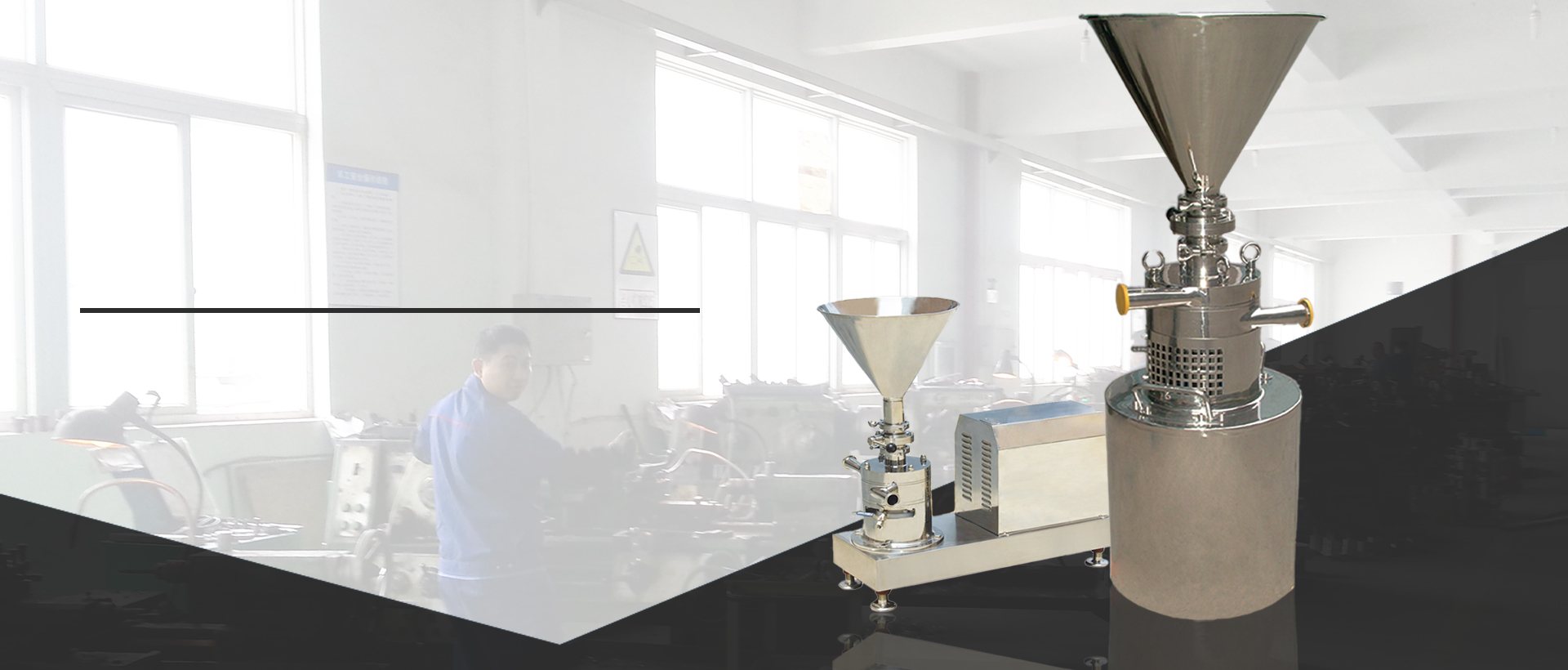

<p>The global food processing sector faces a growing challenge in achieving microscopic particle size reduction in highly viscous matrices without compromising sensory attributes or thermal integrity. Traditional bead mills and conventional horizontal pin mills often encounter issues with high flow resistance, localized overheating, and fixed processing gaps that restrict production flexibility.</p><p>Advanced engineering introduces the <a href="/en/products/conical-ball-mill" target="">Conical Rotor Gap Ball Mill</a>. This technology combines precision nanotechnology principles with rugged industrial performance to handle difficult, highly viscous fluid structures. This document reviews the mechanical principles, equipment line integrations, and operational parameters of this system, designed for premium international food manufacturing lines.</p><h2>Conical Rotor Shear Hydrodynamics and Core Grinding Principles</h2><p>The core technological advantage of the conical rotor gap ball mill lies in its unique geometric construction. It completely abandons the uniform, fixed cylindrical chamber design of traditional ball mills, utilizing instead a precise geometric gap between a matching conical stator and conical rotor.</p><p>Product materials and grinding media are delivered into the interior of the grinding chamber at a constant pressure and flow rate by an externally configured positive displacement volume pump system. The mechanical action of grinding and dispersion occurs entirely within the tiny clearance between the conical cavities. The functional range of this milling gap can be dynamically adjusted between 6 millimeters and 20 millimeters according to different process requirements. By utilizing the integrated rotor lifting mechanism, engineers can change the relative distance between the stator and rotor in real time, thereby precisely controlling the shear stress inside the milling chamber.</p><p>When the conical rotor operates at high speeds driven by the main motor, its unique geometric profile triggers intense hydrodynamic effects. As the materials travel along the conical cavity profile toward the maximum outer diameter, the circumferential linear velocity amplifies progressively. The existence of this velocity gradient forces the grinding media (such as high-precision metal, glass, or technical ceramic beads) into a continuous radial motion. Kinetic energy is scaled up step-by-step from the center outward, ensuring that the shear forces experienced by the product steadily increase throughout the entire milling period.</p><p>This progressive energy release mode can generate up to four times the energy density of traditional stirred ball mills. This high energy conversion efficiency allows material particles to achieve uniform cell breakage and refinement within a short duration, ensuring that the final particle size distribution of the product remains exceptionally constant. More importantly, because the material remains in a fast, continuous flowing state within the gap, the thermal energy generated by friction is restricted to an extremely low level, effectively preventing the thermal degradation of heat-sensitive food components.</p><p><img src="https://sj-platform.oss-us-east-1.aliyuncs.com/2026/08/06/9a46405d1ed547e4a7ecf9c16163b40d.png" alt="the Conical Rotor Gap Ball Mill" data-href="https://sj-platform.oss-us-east-1.aliyuncs.com/2026/08/06/9a46405d1ed547e4a7ecf9c16163b40d.png" style="width: 50%;"/></p><h2>Integrated Turnkey Equipment Architecture and Continuous Production Line Configuration</h2><p>In practical industrial food production, efficient fine grinding relies not only on the standalone ball mill host but requires a highly automated, seamlessly connected turnkey fluid engineering process line. A complete continuous production line is organically composed of several core functional modules:</p><p>The primary feed formulation and pre-mixing module serves as the starting point of the system line. It is responsible for high-shear blending and coarse homogenization of dry powder ingredients (such as cocoa powder, sugar powder, and plant protein isolates) into liquid phases (such as vegetable oils, fats, or aqueous carriers). This step ensures that the material entering the subsequent milling stages maintains a stable suspension state and initial uniformity, preventing large particle sedimentation from clogging the system.</p><p>The material conveying and variable frequency driving module is the key to maintaining continuous line operation. Because food milling slurries generally exhibit high viscosity and strong abrasive physical characteristics, the turnkey equipment solution uses sanitary positive displacement volumetric pumps, such as twin-screw pumps or <a href="/en/productseries/rotary-lobe-pump" target="">rotary lobe pump</a>s. These pumps are equipped with variable frequency drive (VFD) speed control systems, which dynamically adjust the feeding flow rate based on real-time pressure feedback from inside the ball mill chamber. High-intensity inline pipeline magnetic separators are also chained directly before the inlet to intercept any trace ferrous foreign objects brought in from upstream, protecting the milling chamber and media from mechanical damage.</p><p>The core milling and precision thermal control module is jointly formed by the conical ball mill host and a closed-loop circulating chiller unit. Since food materials are extremely sensitive to temperature, the conical stator and internal rotor of the ball mill are designed with multi-channel cooling jackets. Low-temperature refrigerant (such as chilled water or glycol solution) from the chiller unit circulates through these jackets at high flow rates to quickly remove the trace heat generated in the grinding zone, ensuring that the product temperature remains strictly within the safe limits required by the process.</p><p>The post-mill sifting and buffer storage module is located directly underneath the ball mill discharge outlet. The refined product slurry and the grinding beads undergo physical separation at the outlet channels. The material then passes through a sealed pipeline into a high-frequency vibrating <a href="/en/technical-encyclopedia/the-ultimate-comparison-ss304-vs-ss316-in-fluid-handling-and-mixing-equipment" target="">stainless steel</a> sifting machine to filter out any possible non-standard large particles. Finally, the qualified micron-level fluid material enters a jacketed insulated storage tank equipped with a continuous slow-speed agitator, awaiting downstream filling or coating processes.</p><h2>Application Solutions Across Diverse Food Matrices</h2><h3>Chocolate Coating Materials and Cocoa Mass Fine Grinding</h3><p>In traditional chocolate manufacturing, refining usually relies on conventional refiner-conches that consume high amounts of energy and require long processing cycles. Utilizing the conical rotor gap ball mill turnkey solution allows the mixture of cocoa mass, fine sugar powder, and milk solids to be milled down to under 15 to 18 microns in a single pass or via circulation loops. This particle size successfully crosses the human tongue's threshold for graininess. Thanks to the excellent temperature control of the equipment, the crystal structure of the cocoa butter is not damaged by high temperatures during milling, fully preserving the silky mouthfeel and rich flavor of the chocolate.</p><h3>High-Fat Nut Butter and Seed Micro-Refining</h3><p>Materials like hazelnut paste, almond butter, tahini, and peanut butter contain abundant natural oils and tough plant fibers. Conventional pulverizing equipment easily causes oil oxidation and rancidity due to localized high temperatures, generating off-flavors. This equipment can optimize adjustments for the oil-release characteristics of different nuts by regulating the milling gap. Under the intense shearing action with low thermal energy, the nut fibers are thoroughly sheared and uniformly integrated with the free oils, creating a premium nut butter with an extremely smooth texture that resists oil separation during long-term storage.</p><h3>Plant Proteins and Functional Food Suspension Dispersing</h3><p>In the production of plant-based milks (such as oat milk or soy milk) and whey protein suspensions, coarse particles can lead to severe sedimentation and layering during shelf life. The conical gap ball mill turnkey system can thoroughly refine complex plant protein macromolecules and dietary fibers down to sub-micron scales. This high-precision micro-refining treatment not only significantly improves the water solubility and emulsification stability of the materials but also greatly optimizes the product texture, eliminating the need for synthetic stabilizers and thickeners in the food formulation.</p><h2>Operational Efficiency: Process Optimization and Convenient Cleaning</h2><p>The ultimate competitiveness of this turnkey equipment solution in industrial production lies in its operational flexibility and high yield rates.</p><p>The flexibility of production adjustments enables this system to realize optimized, customized regulations for different products with varying viscosities and final particle size requirements on a single machine. The final grinding results of the product are determined by the linkage of four core parameters: the rotation speed of the rotor, the gap distance of the chamber, the diameter and quantity of the grinding beads, and the feed velocity of the fluid. Operators only need to select different process recipes on the central control panel, and the system can automatically adjust the rotor height and pumping flow rate to switch production modes quickly.</p><p>For food processing plants, the cleaning costs associated with frequent product switchovers represent a major pain point. This conical rotor ball mill is perfectly suited for automated Clean-In-Place (CIP) procedures. During cleaning cycles, operators do not need to remove the grinding beads from the milling chamber. By expanding the conical rotor gap to its maximum setting via automated controls and connecting it to the plant's central CIP pipeline, high-pressure cleaning agents and hot water can quickly flush through the grinding zone and the spaces between the beads. Because there are no sanitary dead zones, the intermediate downtime required for product changeovers is compressed to a minimum, and the consumption of cleaning agents is significantly reduced, enhancing both green environmental compliance and economic efficiency for the entire plant.</p>
DISCOVER MORE
<p>The modern chemical processing sector faces a growing challenge in achieving uniform particle size reduction and homogeneous dispersion within high-viscosity, abrasive, and highly filled material matrices. Traditional horizontal media mills and conventional dispersion mixers often encounter severe operational bottlenecks. These issues include high flow resistance, localized thermal spikes, accelerated component wear, and labor-intensive maintenance cycles.</p><p>Advanced fluid engineering introduces the <a href="/en/products/conical-ball-mill" target="">Conical Rotor Gap Ball Mill</a>. This technology combines precision mechanical shear with dynamic gap adjustability to process difficult chemical formulations. This technical article explores the engineering principles, turnkey equipment architecture, materials compliance, and operational parameters of this system designed for premium industrial chemical manufacturing lines.</p><h2>Conical Rotor Hydrodynamics and Core Chemical Refining Principles</h2><p>The core technological advantage of the conical rotor gap ball mill lies in its unique geometric construction. It completely abandons the uniform, fixed cylindrical chamber design of traditional ball mills, utilizing instead a precise geometric gap between a matching conical stator and conical rotor.</p><p>Product formulations and grinding media are delivered into the interior of the grinding chamber at a constant pressure and flow rate by an externally configured positive displacement volume pump system. The mechanical action of grinding, de-agglomeration, and intensive dispersion occurs entirely within the tiny clearance between the conical cavities. The functional range of this milling gap can be dynamically adjusted between 6 millimeters and 20 millimeters according to specific rheological and process requirements. By utilizing the integrated rotor lifting mechanism, plant engineers can change the relative distance between the stator and rotor in real time, thereby precisely controlling the shear stress inside the milling chamber.</p><p>When the conical rotor operates at high speeds driven by the main motor, its unique geometric profile triggers intense hydrodynamic effects. As the chemical materials travel along the conical cavity profile toward the maximum outer diameter, the circumferential linear velocity amplifies progressively. The existence of this velocity gradient forces the grinding media (such as high-density technical ceramic or metallic beads) into a continuous radial motion. Kinetic energy is scaled up step-by-step from the center outward, ensuring that the shear forces experienced by the chemical product steadily increase throughout the entire milling period.</p><p>This progressive energy release mode can generate up to four times the energy density of traditional stirred ball mills. This high energy conversion efficiency allows aggregated chemical particles to achieve uniform structural breakdown and true micro- or nano-scale refinement within a short duration, ensuring that the final particle size distribution of the product remains exceptionally constant. More importantly, because the material remains in a fast, continuous flowing state within the gap, the thermal energy generated by high-friction shearing is restricted to an extremely low level, effectively preventing the thermal degradation of heat-sensitive chemical polymers and functional additives.</p><p><img src="https://sj-platform.oss-us-east-1.aliyuncs.com/2026/08/06/79d981a6a4f244b4a83b4c97cce4d415.png" alt="the Conical Rotor Gap Ball Mill" data-href="https://sj-platform.oss-us-east-1.aliyuncs.com/2026/08/06/79d981a6a4f244b4a83b4c97cce4d415.png" style="width: 50%;"/></p><h2>Integrated Turnkey Equipment Architecture and Continuous Chemical Production Line Configuration</h2><p>In practical industrial chemical production, efficient fine grinding relies not only on the standalone ball mill host but requires a highly automated, seamlessly connected turnkey fluid engineering process line. A complete continuous production line is organically composed of several core functional modules:</p><p>The primary feed formulation and pre-mixing module serves as the starting point of the system line. It is responsible for high-shear blending and coarse homogenization of dry chemical powders, fillers, or pigments into liquid resins, solvents, or aqueous carriers. This step ensures that the material entering the subsequent milling stages maintains a stable suspension state and initial uniformity, preventing large particle sedimentation from clogging the system.</p><p>The material conveying and variable frequency driving module is the key to maintaining continuous line operation. Because chemical milling slurries generally exhibit high viscosity and strong abrasive physical characteristics, the turnkey equipment solution uses industrial positive displacement volumetric pumps, such as progressive cavity pumps or <a href="/en/productseries/rotary-lobe-pump" target="">rotary lobe pump</a>s. These pumps are equipped with variable frequency drive speed control systems, which dynamically adjust the feeding flow rate based on real-time pressure feedback from inside the ball mill chamber. High-intensity inline pipeline magnetic separators are also chained directly before the inlet to intercept any trace ferrous foreign objects brought in from upstream, protecting the milling chamber and media from mechanical damage.</p><p>The core milling and precision thermal control module is jointly formed by the conical ball mill host and a closed-loop circulating chiller unit. Since many chemical matrices are extremely sensitive to temperature, the conical stator and internal rotor of the ball mill are designed with multi-channel cooling jackets. Low-temperature refrigerant from the chiller unit circulates through these jackets at high flow rates to quickly remove the heat generated in the grinding zone, ensuring that the product temperature remains strictly within the safe limits required by the process.</p><p>The post-mill sifting and buffer storage module is located directly underneath the ball mill discharge outlet. The refined product slurry and the grinding beads undergo physical separation at the outlet channels. The material then passes through a sealed pipeline into a high-frequency vibrating sifting machine to filter out any possible non-standard large particles. Finally, the qualified micron-level fluid material enters a jacketed storage tank equipped with a continuous slow-speed agitator, awaiting downstream packaging or intermediate processing.</p><h2>Heavy-Duty Industrial Engineering Standards and Material Selection</h2><p>Turnkey fine grinding equipment applied in the chemical industry must satisfy heavy-duty mechanical engineering standards to withstand chemical attack and high abrasion. This system aligns with industrial engineering benchmarks during the design and component selection phases.</p><p>All metallic components that come into direct contact with chemical materials—including the conical rotor, stator internal walls, conveying pipelines, and valves—are machined from high-grade <a href="/en/technical-encyclopedia/the-ultimate-comparison-ss304-vs-ss316-in-fluid-handling-and-mixing-equipment" target="">Stainless Steel</a> <a href="/en/technical-encyclopedia/why-316l-is-non-negotiable-for-corrosive-mixing-and-pumping-applications" target="">316L</a>, hardened tool steel, or specialized tungsten-carbide alloys. To completely eliminate risks of material retention and chemical corrosion, all contact surfaces undergo rigorous polishing and surface hardening. The surface finish is tightly controlled to eliminate mechanical wear points, achieving a heavy-duty industrial finish.</p><p>The grinding media, acting as the components that perform high-frequency impacts directly on the chemical particles, are of critical importance. The turnkey system matches high-purity Yttria-Stabilized Zirconia ceramic beads, tungsten carbide spheres, or specialized reinforced glass beads. These beads possess extremely high hardness and ultra-low wear rates, preventing fracturing or chipping under long-term intense shear conditions and completely eliminating risks of product batch contamination.</p><p>All dynamic and static sealing components within the system, such as the mechanical seals for the rotor main shaft and the pipeline O-rings, utilize modified <a href="/en/technical-encyclopedia/ultimate-chemical-defense-ptfe-teflon-seals-for-high-purity-magnetic-stirring" target="">polytetrafluoroethylene</a> or perfluoroelastomer compounds. These premium elastomers not only resist long-term penetration by aggressive chemical solvents but also offer excellent high-temperature and chemical resistance, enabling them to perfectly withstand frequent alternating flushing and cleaning cycles.</p><h2>Application Solutions Across Diverse Chemical Matrices</h2><h3>High-Performance Masterbatch Pastes and Liquid Pigment Dispersions</h3><p>In the production of automotive coatings, industrial paints, and masterbatches, color development depends entirely on the particle size reduction of pigment agglomerates. Utilizing the conical rotor gap ball mill turnkey solution allows the mixture of pigments and resins to be milled down to sub-micron scales in a single pass or via circulation loops. This particle size refinement successfully maximizes color strength, gloss, and transparency. Thanks to the excellent temperature control of the equipment, the chemical polymers and solvents are not damaged by high temperatures during milling, fully preserving the stability of the liquid pigment matrix.</p><h3>Advanced Ceramics and High-Technical Pure Refinement</h3><p>Materials like titanium dioxide, alumina, and zirconia alloys for high-tech ceramics require uniform sub-micron grinding. Conventional pulverizing equipment easily causes contamination due to component wear. This equipment can optimize adjustments for the hardness characteristics of different technical ceramics by regulating the milling gap. Under the intense shearing action with low thermal energy, the ceramic particles are thoroughly refined and uniformly integrated into a stable slurry that resists sedimentation during long-term storage.</p><h3>Semiconductor Spraying Coatings and Thermal Paper Emulsions</h3><p>In the electronics and specialty paper sectors, coatings used for semiconductors and thermal printing paper demand absolute particle uniformity to avoid defects. The conical gap ball mill turnkey system can thoroughly refine complex chemical emulsions and functional fillers down to precise nano-scales. This high-precision micro-refining treatment significantly improves the coating uniformity, substrate adhesion, and chemical reactivity of the finished materials, eliminating the need for excessive chemical additives or stabilizers in the final formulation.</p><h2>Operational Efficiency: Process Optimization and Convenient Cleaning</h2><p>The ultimate competitiveness of this turnkey equipment solution in industrial production lies in its operational flexibility and high yield rates.</p><p>The flexibility of production adjustments enables this system to realize optimized, customized regulations for different chemical products with varying viscosities and final particle size requirements on a single machine. The final grinding results of the product are determined by the linkage of four core parameters: the rotation speed of the rotor, the gap distance of the chamber, the diameter and quantity of the grinding beads, and the feed velocity of the fluid. Operators only need to select different process recipes on the central control panel, and the system can automatically adjust the rotor height and pumping flow rate to switch production modes quickly.</p><p>For chemical processing plants, the cleaning costs associated with frequent product switchovers represent a major pain point. This conical rotor ball mill is perfectly suited for automated cleaning-in-place procedures. During cleaning cycles, operators do not need to remove the grinding beads from the milling chamber. By expanding the conical rotor gap to its maximum setting via automated controls and connecting it to the plant's flushing pipeline, high-pressure cleaning agents or solvents can quickly flush through the grinding zone and the spaces between the beads. Because there are no mechanical dead zones, the intermediate downtime required for product changeovers is compressed to a minimum, and the consumption of flushing solvents is significantly reduced, enhancing both environmental compliance and economic efficiency for the entire plant.</p>
DISCOVER MORE
<p>The global cosmetics and personal care manufacturing sector faces an increasing technical challenge in achieving flawless tactile textures, intense color development, and stable emulsification for premium skincare and makeup products. Traditional dispersing mixers, triple roller mills, and conventional media mills struggle when processing modern cosmetic matrices. These materials often combine extreme non-Newtonian viscosities, delicate lipid binders, hard mineral fillers, and highly aggregated micronized pigments.</p><p>Conventional machinery frequently introduces high hydraulic flow resistance, localized thermal spikes that degrade active organic nutrients, and wide particle size distribution curves that leave a grainy feel on the skin. Furthermore, traditional bead mills require labor-intensive teardowns during product changeovers, causing significant cross-contamination risks and chemical waste during batch transitions.</p><p>To overcome these manufacturing bottlenecks, cosmetic engineering must transition to high-efficiency, continuous fluid processing systems. The <a href="/en/products/conical-ball-mill" target="">Conical Rotor Gap Ball Mill</a> presents a definitive process solution. This technology merges advanced fluid mechanics with dynamic gap adjustability to process challenging cosmetic formulations. This technical article analyzes the processing rheology, integrated turnkey equipment architecture, materials compliance, and final product enhancements delivered by this engineering solution across global cosmetic production lines.</p><h2>Conical Rotor Shear Hydrodynamics and Core Grinding Principles</h2><p>The technological advantage of the conical rotor gap ball mill lies in its unique construction, utilizing a precise geometric gap between a matching conical stator and rotor.</p><p>Formulations and grinding media are fed into the chamber by a positive displacement pump system. Grinding and dispersion occur entirely within the tiny clearance between the conical cavities. This milling gap adjusts dynamically between 6 mm and 20 mm via an integrated rotor lifting mechanism, allowing real-time shear stress control.</p><p>High-speed rotor rotation triggers intense hydrodynamic effects. As materials travel toward the outer diameter, the circumferential linear velocity amplifies. This velocity gradient forces grinding media into radial motion, scaling up kinetic energy from the center outward.</p><p>This mode generates up to four times the energy density of traditional stirred mills, enabling uniform structural breakdown and sub-micron refinement. Continuous flow within the gap restricts thermal energy, preventing degradation of heat-sensitive compounds.</p><p style="text-align: center;"><img src="https://sj-platform.oss-us-east-1.aliyuncs.com/2026/08/06/d13281efbab146989c29fbf693d559b0.png" alt="Conical Rotor Gap Ball Mill" data-href="https://sj-platform.oss-us-east-1.aliyuncs.com/2026/08/06/d13281efbab146989c29fbf693d559b0.png" style="width: 50%;"></p><h2>Integrated Turnkey Equipment Architecture and Continuous Production Line Configuration</h2><p>In practical industrial cosmetic production, efficient fine grinding relies not only on the standalone ball mill host but requires a highly automated, seamlessly connected turnkey fluid engineering process line. A complete continuous production line is organically composed of several core functional modules:</p><p>The primary feed formulation and pre-mixing module serves as the starting point of the system line. It is responsible for high-shear blending and coarse homogenization of dry cosmetic powders, fillers, or pigments into liquid resins, solvents, or aqueous carriers. This step ensures that the material entering the subsequent milling stages maintains a stable suspension state and initial uniformity, preventing large particle sedimentation from clogging the system.</p><p>The material conveying and variable frequency driving module is the key to maintaining continuous line operation. Because cosmetic milling slurries generally exhibit high viscosity and strong abrasive physical characteristics, the turnkey equipment solution uses industrial positive displacement volumetric pumps, such as progressive cavity pumps or <a href="/en/productseries/rotary-lobe-pump" target="">rotary lobe pump</a>s. These pumps are equipped with variable frequency drive speed control systems, which dynamically adjust the feeding flow rate based on real-time pressure feedback from inside the ball mill chamber. High-intensity inline pipeline magnetic separators are also chained directly before the inlet to intercept any trace ferrous foreign objects brought in from upstream, protecting the milling chamber and media from mechanical damage.</p><p>The core milling and precision thermal control module is jointly formed by the conical ball mill host and a closed-loop circulating chiller unit. Since many cosmetic matrices are extremely sensitive to temperature, the conical stator and internal rotor of the ball mill are designed with multi-channel cooling jackets. Low-temperature refrigerant from the chiller unit circulates through these jackets at high flow rates to quickly remove the heat generated in the grinding zone, ensuring that the product temperature remains strictly within the safe limits required by the process.</p><p>The post-mill sifting and buffer storage module is located directly underneath the ball mill discharge outlet. The refined product slurry and the grinding beads undergo physical separation at the outlet channels. The material then passes through a sealed pipeline into a high-frequency vibrating sifting machine to filter out any possible non-standard large particles. Finally, the qualified micron-level fluid material enters a jacketed storage tank equipped with a continuous slow-speed agitator, awaiting downstream packaging or intermediate processing.</p><h2>Heavy-Duty Industrial Standards and Material Selection</h2><p>Turnkey fine grinding equipment applied in the cosmetics industry must satisfy heavy-duty mechanical engineering standards to withstand chemical attack and high abrasion.</p><p>Wetted metallic components are machined from high-grade <a href="/en/technical-encyclopedia/the-ultimate-comparison-ss304-vs-ss316-in-fluid-handling-and-mixing-equipment" target="">Stainless Steel</a> <a href="/en/technical-encyclopedia/why-316l-is-non-negotiable-for-corrosive-mixing-and-pumping-applications" target="">316L</a>. Contact surfaces undergo rigorous polishing and surface hardening to achieve a surface roughness average below 0.4 microns.</p><p>The system uses high-purity Yttria-Stabilized Zirconia ceramic beads or reinforced glass beads. These possess high hardness and low wear rates, preventing fracturing and product contamination.</p><p>Sealing components utilize modified <a href="/en/technical-encyclopedia/ultimate-chemical-defense-ptfe-teflon-seals-for-high-purity-magnetic-stirring" target="">polytetrafluoroethylene</a> or perfluoroelastomer compounds. These premium elastomers resist aggressive cosmetic solvents, oils, and synthetic silicones while withstanding frequent hot flushing cycles.</p><h2>Application Solutions and Realized Product Quality Enhancements</h2><h3>High-Performance Lipsticks and Wax-Based Color Casts</h3><p>In traditional lipstick manufacturing, refining usually relies on conventional refiner-conches that consume high amounts of energy. Utilizing the conical rotor gap ball mill turnkey solution allows the mixture of pigments and waxes to be milled down to under 15 microns in a single pass. This particle size successfully crosses the human tongue threshold for graininess. Thanks to the excellent temperature control of the equipment, the crystal structure of the lipid matrix is not damaged by high temperatures during milling, preserving the smooth mouthfeel of the lipstick.</p><h3>High-Fat Foundation Pastes and Powder Micro-Refining</h3><p>Materials like liquid foundations and heavy concealers contain abundant natural oils and tough mineral pigments. Conventional pulverizing equipment easily causes oil oxidation and rancidity due to localized high temperatures, generating off-flavors. This equipment can optimize adjustments for the oil-release characteristics of different formulations by regulating the milling gap. Under intense shearing action with low thermal energy, the pigment fibers are thoroughly thinned and uniformly integrated with the free oils, creating a premium cosmetic paste with a smooth texture that resists oil separation during storage.</p><h3>Mineral Sunscreens and Micro-Fine Zinc Oxide Suspensions</h3><p>In the production of sunscreen emulsions, coarse particles lead to severe sedimentation and white residue on skin. The conical gap ball mill turnkey system thoroughly refines complex mineral aggregates down to sub-micron scales. This high-precision micro-refining treatment significantly improves the suspension and emulsification stability of the materials, optimizing product texture and eliminating the need for excessive synthetic stabilizers in the formulation.</p><h2>Operational Efficiency: Process Optimization and Convenient Cleaning</h2><p>The ultimate competitiveness of this turnkey equipment solution in industrial production lies in its operational flexibility and high yield rates.</p><p>The flexibility of production adjustments enables this system to realize optimized, customized regulations for different products on a single machine. The final grinding results of the product are determined by the linkage of four core parameters: the rotation speed of the rotor, the gap distance of the chamber, the diameter and quantity of the grinding beads, and the feed velocity of the fluid. Operators select different process recipes on the central control panel, and the system automatically adjusts the rotor height and pumping flow rate to switch production modes quickly.</p><p>For cosmetic processing plants, cleaning costs associated with frequent product switchovers represent a major pain point. This conical rotor ball mill is perfectly suited for automated cleaning-in-place procedures. During cleaning cycles, operators do not need to remove the grinding beads from the milling chamber. By expanding the conical rotor gap to its maximum setting via automated controls and connecting it to the plant flushing pipeline, high-pressure cleaning agents can quickly flush through the grinding zone and the spaces between the beads. Because there are no mechanical dead zones, intermediate downtime for product changeovers compresses to a minimum, and solvent consumption is significantly reduced, enhancing both environmental compliance and economic efficiency.</p>
DISCOVER MORE
<p>Modern biopharmaceutical processing demands highly efficient solid-to-liquid dispersions, intensive cellular disruptions, and reliable nano-suspension micronization. When processing biological harvests to extract functional proteins or milling active compounds to enhance drug dissolution, standalone conventional mills often struggle. Legacy horizontal pin mills and classic homogenizers frequently encounter severe mechanical bottlenecks, including massive hydraulic flow resistance, unstable chamber pressure, and localized friction heat that can destroy heat-sensitive biological molecules instantly. Furthermore, traditional media mills require labor-intensive manual teardowns during product changeovers, causing prolonged production downtime and significant cross-contamination risks between product batches.</p><p>To resolve these practical plant bottlenecks, pharmaceutical manufacturers are moving away from isolated equipment toward continuous, closed-loop process lines. The <a href="/en/products/conical-ball-mill" target="">Conical Rotor Gap Ball Mill</a> turnkey system delivers a highly adaptable engineering solution. This comprehensive guide analyzes how this integrated equipment architecture manages non-Newtonian bio-fluids, optimizes production line setups, protects active ingredients, and delivers flexible operational benefits for growing pharmaceutical manufacturing facilities.</p><h2>Overcoming Viscoelastic Resistance: Fluid Dynamics in the Conical Grinding Zone</h2><p>Unlike standard industrial chemical pigments or uniform food oils, biopharmaceutical suspensions exhibit highly complex, time-dependent rheological profiles. High-density cellular harvests, such as yeast slurries, Escherichia coli mixtures, and concentrated plant-based extractions, behave as viscoelastic non-Newtonian fluids. When subjected to sudden or uncontrolled mechanical stress, these matrices can experience rapid shear-thickening behavior or structural clogging, leading to line blockage and equipment damage.</p><p>The conical rotor gap ball mill directly addresses these fluid complexities through its variable geometric processing zone. Instead of utilizing a fixed cylindrical cavity, this heavy-duty machine uses a precise clearance gap between a matching conical stator and conical rotor. As the biological suspension moves through this dynamic zone, it experiences a precisely controlled, escalating shear rate gradient. This gradient forces the thick cell wall matrices into an optimal shear-thinning state, dropping the apparent fluid viscosity exactly where the kinetic energy of the grinding media peaks.</p><p>By utilizing an integrated vertical lift mechanism controlled via the main operator panel, engineers can adjust the functional milling gap between six millimeters and twenty millimeters in real time. This adjustability allows plant operators to match the chamber’s internal fluid velocity with the exact relaxation phase of the specific biomolecule or cell type. This mechanical control prevents localized high-pressure cavitation, eliminates structural polymer chain scission, and protects fragile target products from mechanical degradation while maintaining high throughput.</p><p style="text-align: center;"><img src="https://sj-platform.oss-us-east-1.aliyuncs.com/2026/08/06/be5fc2c332024d95ba62dece04284613.png" alt="Conical Rotor Gap Ball Mill" data-href="https://sj-platform.oss-us-east-1.aliyuncs.com/2026/08/06/be5fc2c332024d95ba62dece04284613.png" style="width: 50%;"></p><h2>Turnkey System Architecture and Integrated Process Line Configuration</h2><p>In practical biopharmaceutical processing, achieving high-yield cell disruption and consistent micronization depends entirely on a seamlessly connected turnkey process line rather than standalone equipment. A complete engineering solution integrates several synchronized functional equipment modules to ensure continuous, contained material handling.</p><p>The process line begins with the primary feed preparation and formulation module. This equipment module uses a high-shear sanitary batch pre-mixer to uniformly disperse raw biological harvests or crystalline compounds into aqueous buffers or carrier fluids. This setup maintains a homogeneous coarse suspension, preventing heavy particle sedimentation that would otherwise clog downstream fluid pipelines or cause pressure spikes at the mill intake.</p><p>The material conveying and driving module is critical for maintaining steady system loop pressures. Because biological slurries exhibit high viscosity and strong abrasive traits, the turnkey solution integrates robust sanitary positive displacement volumetric pumps, such as rotary lobe or progressive cavity designs. These pumps are equipped with variable frequency drive speed control systems that adjust the input flow rate based on real-time pressure transducers positioned at the mill inlet. High-intensity inline pipeline magnetic separators are chained directly before the inlet to intercept any trace physical contaminants, protecting the internal grinding elements from mechanical damage.</p><p>The core milling and precision thermal control module is jointly formed by the <a href="/en/products/conical-ball-mill" target="">conical ball mill</a> host and a dedicated closed-loop circulating chiller unit. Since biological fractions and target proteins are extremely sensitive to temperature, the conical stator and internal rotor are designed with multi-channel cooling jackets. Low-temperature refrigerant from the chiller unit circulates through these jackets at high volumetric flow rates to quickly remove the mechanical heat generated in the grinding zone, keeping the product mass within safe limits, usually below ten degrees Celsius.</p><p>The post-mill collection and separation module handles the output fluid at the discharge outlet. The refined slurry passes through a specialized non-disassembly bead separation channel, which keeps the grinding media inside the chamber while allowing the product suspension to flow smoothly into a high-frequency vibrating sifting machine to capture any non-standard particles. Finally, the finished material enters a jacketed storage tank equipped with a slow-speed scraping anchor agitator, preserving batch uniformity before secondary downstream processing.</p><h2>Heavy-Duty Structural Engineering and Reliable Material Selection</h2><p>Equipment applied in modern pharmaceutical manufacturing must satisfy high mechanical engineering standards to prevent batch contamination and ensure long-term wear resistance under continuous shear loads.</p><p>All metallic components that come into direct contact with the process fluid—including the conical rotor, stator internal walls, product valves, and conveying pipelines—are machined from premium <a href="/en/technical-encyclopedia/the-ultimate-comparison-ss304-vs-ss316-in-fluid-handling-and-mixing-equipment" target="">Stainless Steel</a> <a href="/en/technical-encyclopedia/why-316l-is-non-negotiable-for-corrosive-mixing-and-pumping-applications" target="">316L</a> or ultra-hard ceramic alloys. To eliminate risks of material retention and simplify routine cleaning, all process-wetted surfaces undergo rigorous mechanical polishing followed by an electrochemical passivating treatment, maintaining an ultra-smooth finish that prevents chemical adhesion and eliminates mechanical wear points.</p><p>The grinding media spheres are selected with extreme care to maintain batch purity. The system matches high-purity Yttria-Stabilized Zirconia ceramic beads that feature superior fracture toughness and minimal wear rates under heavy shear. This prevents metallic discoloration, structural shedding, or particulate contamination during extended production runs, fully protecting the structural integrity of the active batches.</p><p>All dynamic and static sealing components within the system utilize modified <a href="/en/technical-encyclopedia/ultimate-chemical-defense-ptfe-teflon-seals-for-high-purity-magnetic-stirring" target="">polytetrafluoroethylene</a> or premium perfluoroelastomer compounds. The drive shaft utilizes a pressurized, double-acting mechanical seal system operating with a continuous fluid barrier loop, which isolates the process chamber completely and prevents any product leaks or external cleanroom air contamination during high-pressure production runs.</p><h2>Application Solutions and Realized Product Quality Enhancements</h2><p>The integration of this automated process equipment line delivers measurable upgrades to the quality attributes of final pharmaceutical products. By replacing separate batch processes with a continuous fluid network, the system ensures a narrow particle size distribution and eliminates tail-end oversized fractions across three major application sectors.</p><p>First, for targeted active pharmaceutical ingredient nano-suspensions, reducing crystalline drug particles to a uniform sub-micron scale exponentially increases their specific surface area. The continuous conical mill line eliminates oversized fractions, accelerating dissolution velocity and maximizing cellular bioavailability without inducing amorphous degradation or phase transitions.</p><p>Second, for microbial cell disruption and subcellular harvesting, isolating recombinant proteins or enzymes from tough yeast and bacterial walls requires a delicate mechanical balance. The progressive shear mechanism of the turnkey line shatters cellular walls cleanly, maximizing the release of intact intracellular components into the buffer while reducing the generation of ultra-fine cellular debris, which simplifies downstream chromatography and filtration steps.</p><p>Third, for vaccine adjuvant homogenization and liposomal emulsion refining, emulsion droplets must maintain absolute structural uniformity to guarantee stable target delivery. The conical gap ball mill turnkey system refines complex lipid matrices down to precise nano-scales, providing exceptional emulsion stability, preventing shelf-life sedimentation, and ensuring predictable therapeutic release pathways without requiring synthetic stabilizers.</p><h2>Operational Efficiency: Flexible Customization and Convenient Online Cleaning</h2><p>The ultimate economic value of this turnkey equipment solution in an active manufacturing facility lies in its exceptional operational flexibility, high yield rates, and rapid changeover capabilities.</p><p>The flexibility of production adjustments enables this system to realize optimized, customized regulations for different products on a single machine. The final grinding results of the product are determined by the linkage of four core parameters: the rotation speed of the rotor, the gap distance of the chamber, the diameter and quantity of the grinding beads, and the feed velocity of the fluid. Operators select different process re<a href="/en/technical-encyclopedia/what-is-cip-clean-in-place-in-fluid-processing" target="">cip</a>es on the central control panel, and the system automatically adjusts the rotor height and pumping flow rate to switch production modes quickly, allowing facilities to process diverse product portfolios without purchasing multiple distinct grinding units.</p><p>For pharmaceutical factories handling short production runs or frequent product changes, cleaning downtime is a significant cost factor. This conical rotor ball mill is perfectly suited for automated online cleaning procedures. During a cleaning cycle, operators do not need to drain or manually handle the grinding beads.</p><p>The control system automatically opens the conical rotor gap to its maximum width setting, allowing high-velocity cleaning agents and hot water from the facility's washing line to flush through the grinding zone. The high-pressure fluid flows easily through the spaces between the beads, lifting out stubborn proteins and residual materials without requiring bead removal. Because there are no mechanical dead zones, intermediate downtime for product changeovers compresses to a minimum, and solvent consumption is significantly reduced, enhancing both environmental compliance and economic efficiency for the entire plant.</p>
DISCOVER MORE
文本内容
博奥 最初是实验室、制药企业及医院的设备供应商,随后迅速发展成为国际市场上的成功参与者 —— 在实验室与分析技术领域及工业技术领域均占据重要地位。近几十年来,博奥 的工业技术部门在混合与干燥技术方面已成为领先制造商。我们的工业技术部门可提供交钥匙解决方案及最先进的生产配置方案。博奥 的解决方案涵盖:分散机、均质机、搅拌器、导流混合机、捏合机、真空干燥机以及即用型工业设备——所有产品均采用 博奥 的高品质标准制造。复杂项目的咨询、设计和实现以及主动式售后服务,共同构成了 博奥 完整的解决方案体系。凭借对创新技术的持续整合,这些高品质设备与装置被广泛应用于多个行业,如制药、食品、化工、电池、沥青行业等等。

IKA 的混合技术可确保卓越且稳定的产品品质——这得益于精准的均质混合与可靠的设备运行。这一优势进而减少了产品差异、降低了返工频率,并显著提升了整体客户满意度。我们专注于为加工行业解决各类高难度混合应用,和针对每位客户的特定产品应用进行研发与适配。

选择 IKA,您可获得全尺寸范围的设备支持:从实验室设备,到中试规模设备,再到适用于大规模生产的工业技术装置。我们在所有尺寸范围均采用相同的工程设计,为您实现高质量的工艺放大效果。此外,实验室规模的解决方案还可精准模拟生产环境。这一体化两阶段策略,为您搭建了从研发到全面量产的无缝桥梁。

KA 的设备与装置能同时节省时间与资源。它们运行快速、稳定可靠,且设计紧凑,极具空间利用率。采用 IKA 工业技术,您能实现更快的加工效率与优化的工作流程。这一优势使其非常适用于高产量的生产环境 —— 这类环境因频繁的新品研发和严苛的质量标准,对生产效率与稳定性有着极高要求。

BOAO 集团拥有 900 余名专业人员,业务覆盖遍布四大洲(非洲、美洲、亚洲和欧洲)的 17 个地点。我们凭借广泛的分支机构网络,能够有效洞察并满足当地需求,确保为客户提供卓越且个性化的服务。