
English
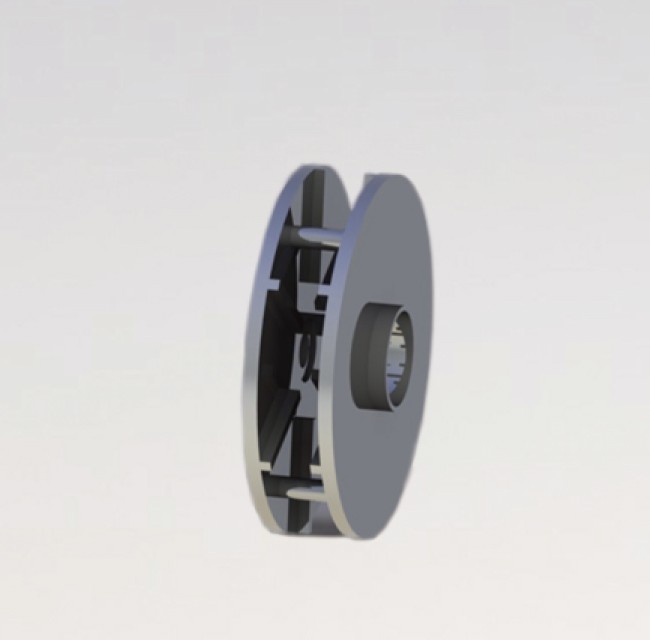
Demystify the blade-free impeller. Learn how a disc pump uses boundary layer physics and viscous drag to move fluids efficiently without traditional vanes.
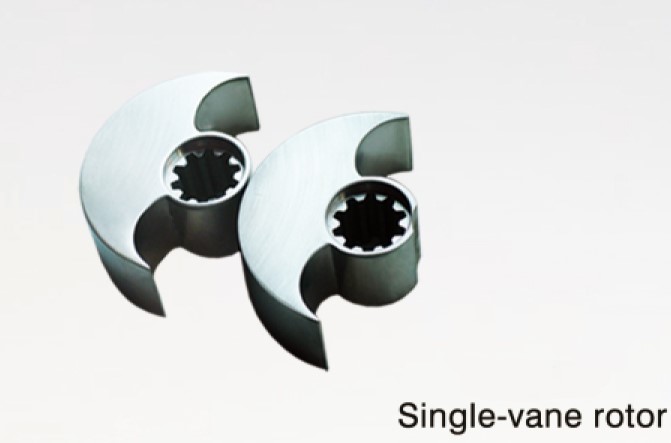
Discover what a rotary lobe pump single-lobe rotor is, how its unique design works, and why it excels in handling large solids and high-viscosity fluids.
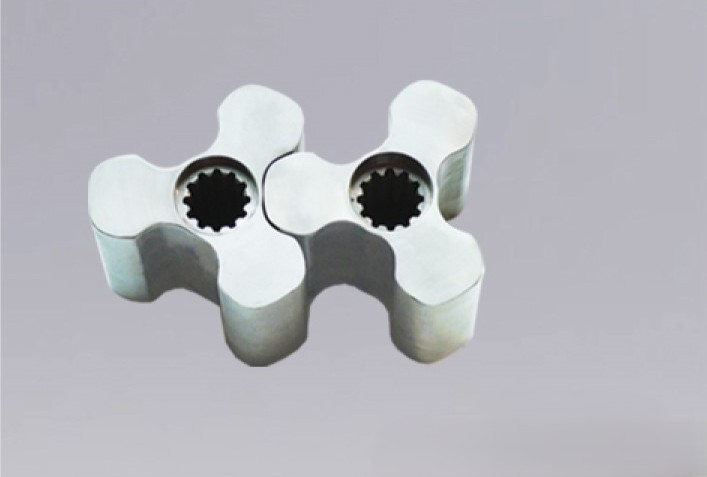
Discover what a tri-lobe rotor is and why it’s the standard for rotary lobe pumps. Learn about its low-pulsation flow and high efficiency.
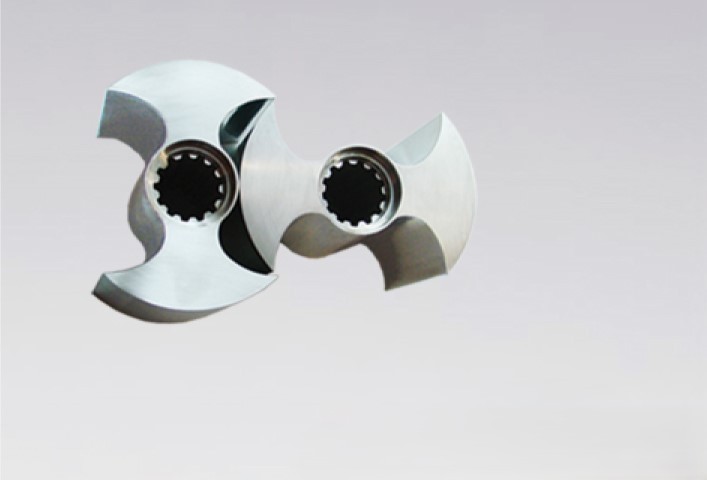
Learn why the bi-wing butterfly rotor is essential for rotary lobe pumps. Explore its sanitary design, low-shear handling, and high-viscosity fluid transfer.
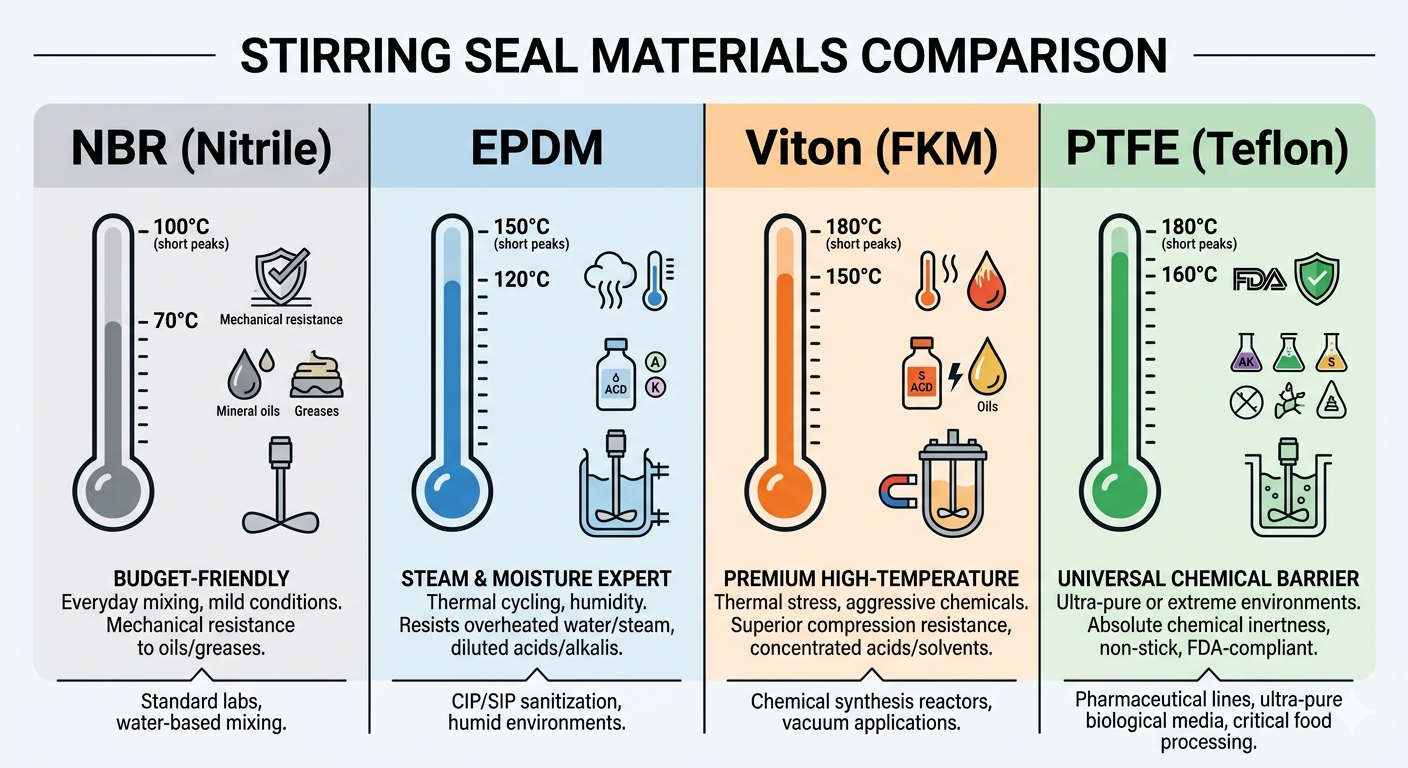
Comprehensive engineering guide comparing NBR, EPDM, Viton, and PTFE seals for magnetic stirrers. Learn exact temperature limits and fluid compatibility.

In sanitary fluid processing industries—such as biopharmaceuticals, cosmetics, and high-end food production—the quality of a machine's surface finish is directly tied to product purity and batch safety. While mechanical polishing can make equipment look shiny to the naked eye, achieving a truly sterile, microscopic boundary requires electrochemical refinement. Electropolishing (EP) is an advanced, non-mechanical surface treatment process that electrochemically removes a microscopic layer of metal from stainless steel components, making it an essential manufacturing protocol for high-purity sanitary pumps, industrial agitators, and high-shear mixing machinery…

In industries such as biopharmaceuticals, cosmetics, and advanced food processing, consumer safety is paramount. Good Manufacturing Practices (GMP) is a legally mandated quality assurance system enforced by global bodies like the U.S. FDA, EMA, and WHO. It ensures that products are consistently manufactured and controlled according to rigid quality protocols.The fundamental philosophy of GMP is clear: Quality must be built into the product; it cannot be inspected out. Traditional industrial manufacturing relies on "end-product sampling." However, testing a small percentage of a batch cannot 100% guarantee that the remaining products are free from contamination…
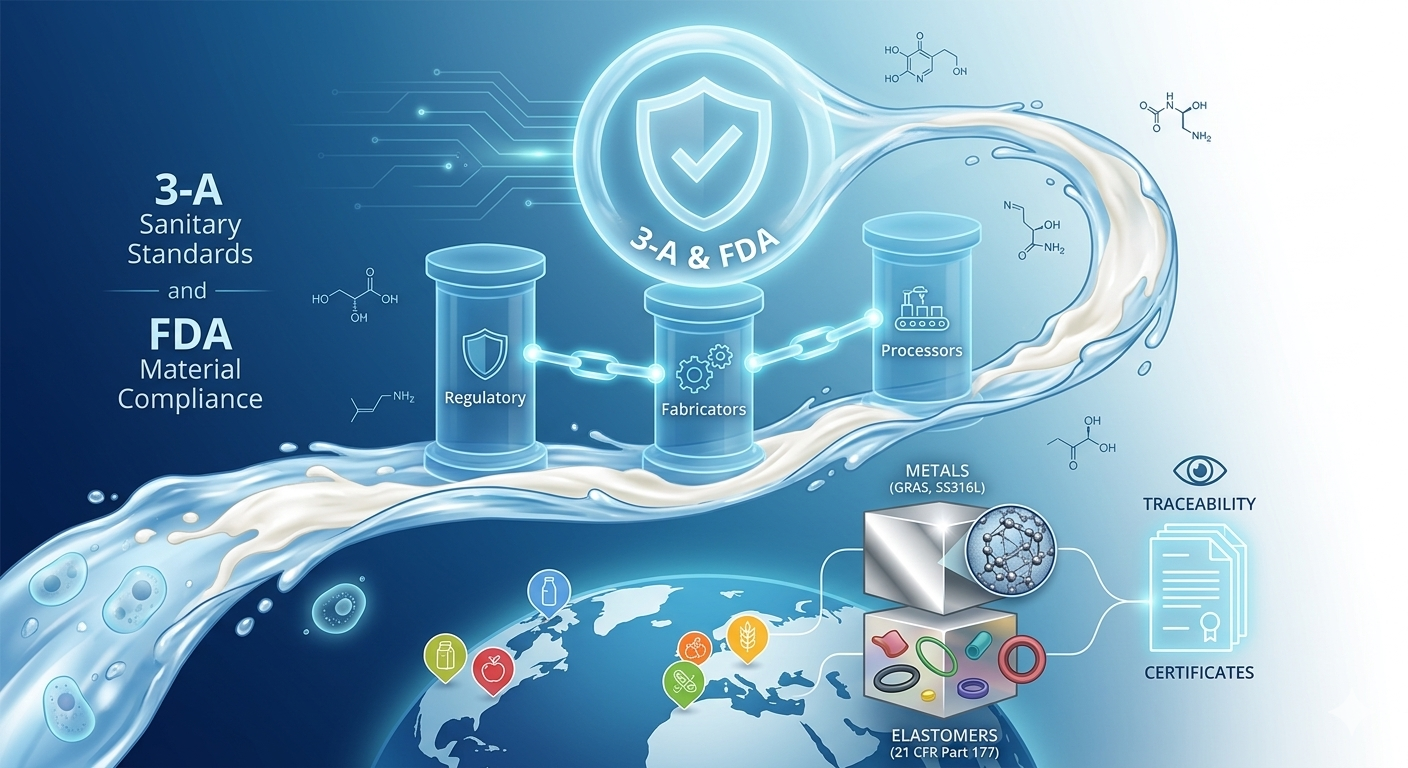
In fluid processing industries, achieving compliance with the U.S. Food and Drug Administration (FDA) is a mandatory benchmark for any machinery that comes into direct contact with food, beverages, cosmetics, or pharmaceutical products...
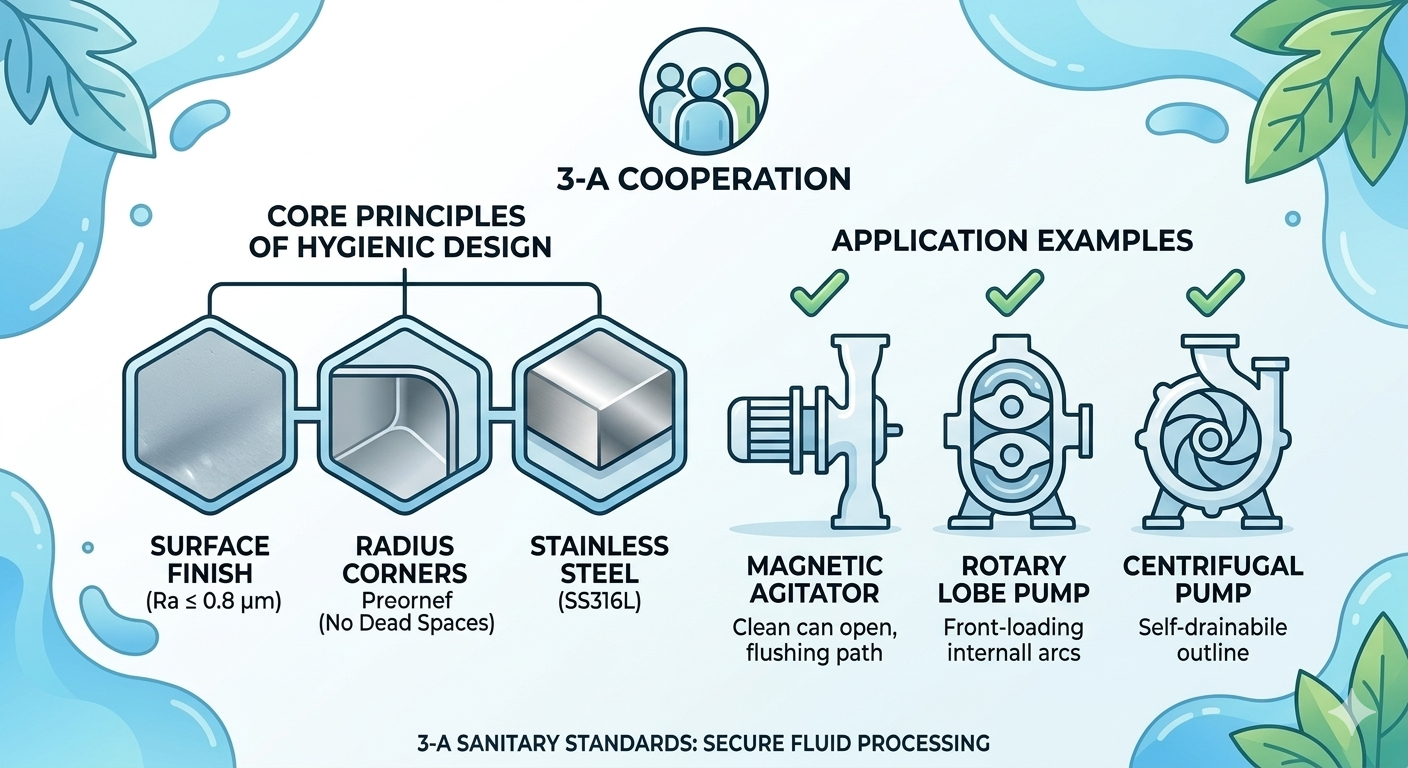
In the dairy, food, and beverage processing industries, consumer safety is heavily tied to the cleanability of production machinery. 3-A Sanitary Standards are a set of strict, universally recognized hygienic criteria formulated by 3-A Sanitary Standards, Inc. (3-A SSI). The primary goal of 3-A certification is to protect public health by ensuring that fluid processing machinery can be thoroughly sanitized—either via automated Clean-in-Place (CIP) systems or manual disassembly—and will not harbor harmful bacteria, product residue, or organic contamination…
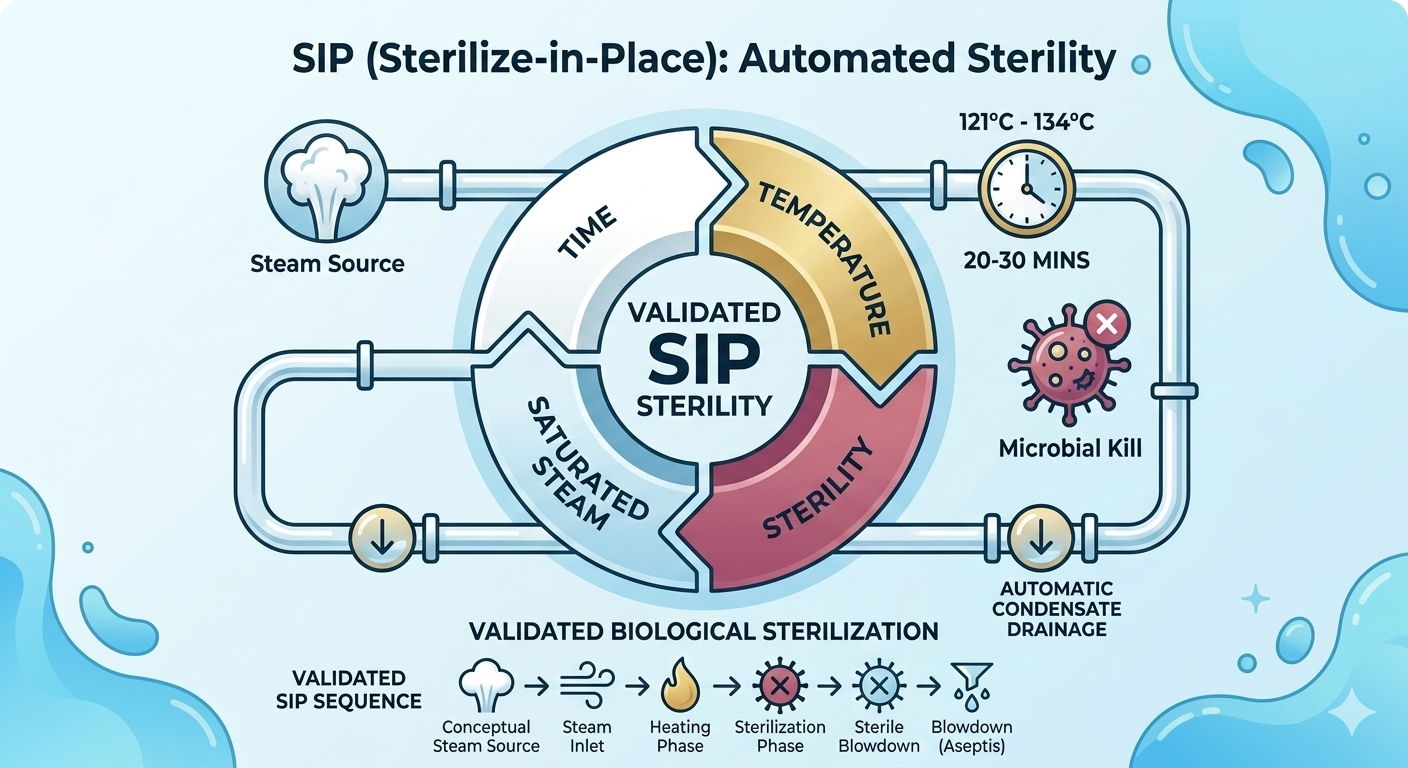
In industries such as biopharmaceuticals, vaccines, dairy, and sterile food processing, achieving a clean system is only the first step. While Clean-in-Place (CIP) successfully removes physical residues, achieving biological sterility requires Sterilize-in-Place (SIP) technology...
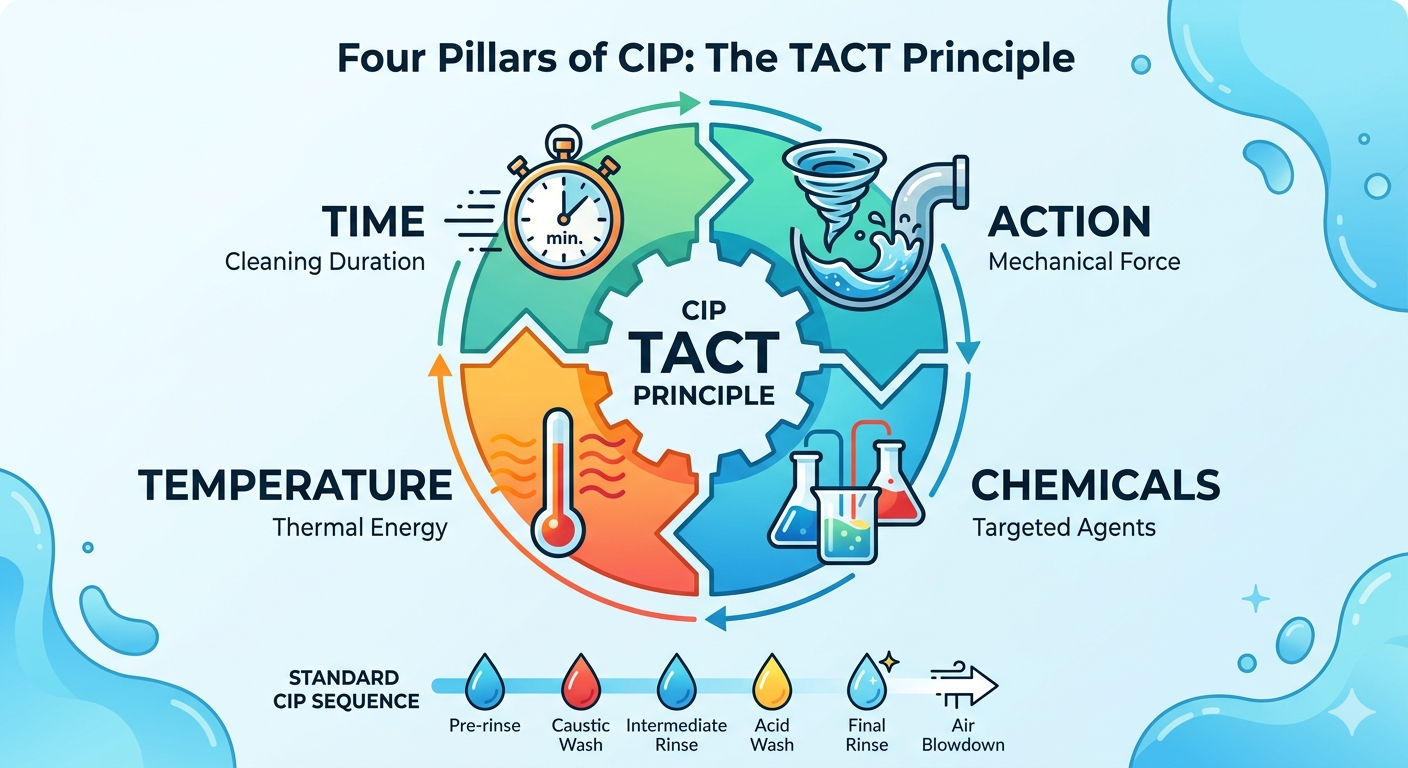
Clean-in-Place (CIP) is an automated method used in fluid processing industries to sanitize the interior surfaces of closed systems—including process tanks, industrial agitators, high-shear emulsifying pu...
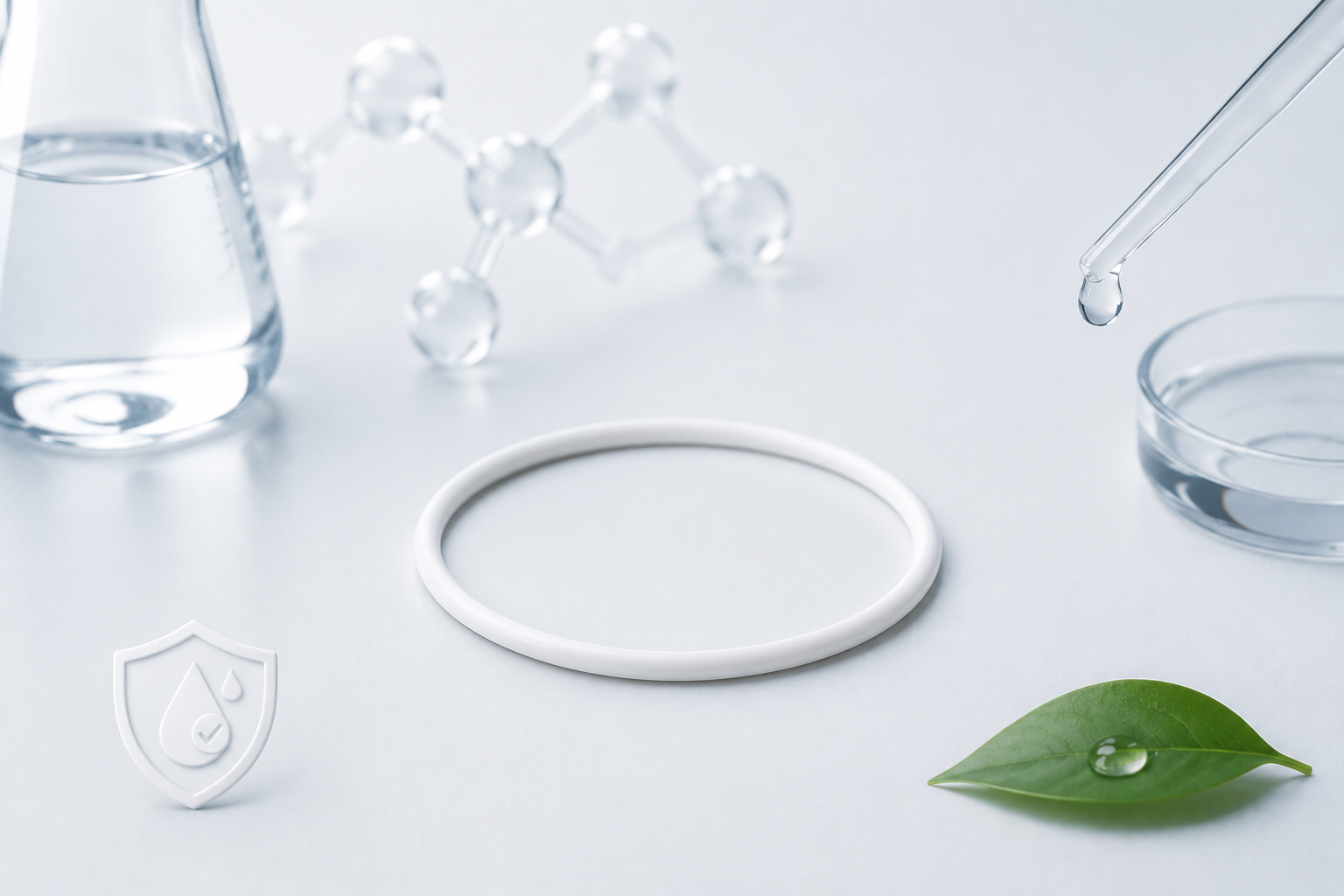
In high-purity pharmaceutical manufacturing and aggressive chemical processing, maintaining absolute process isolation is paramount. PTFE (Polytetrafluoroethylene / Teflon) seals serve as the premier engineering choice for these specialized applications, delivering unmatched chemical inertness and reliable performance for your advanced magnetic mixing equipment…
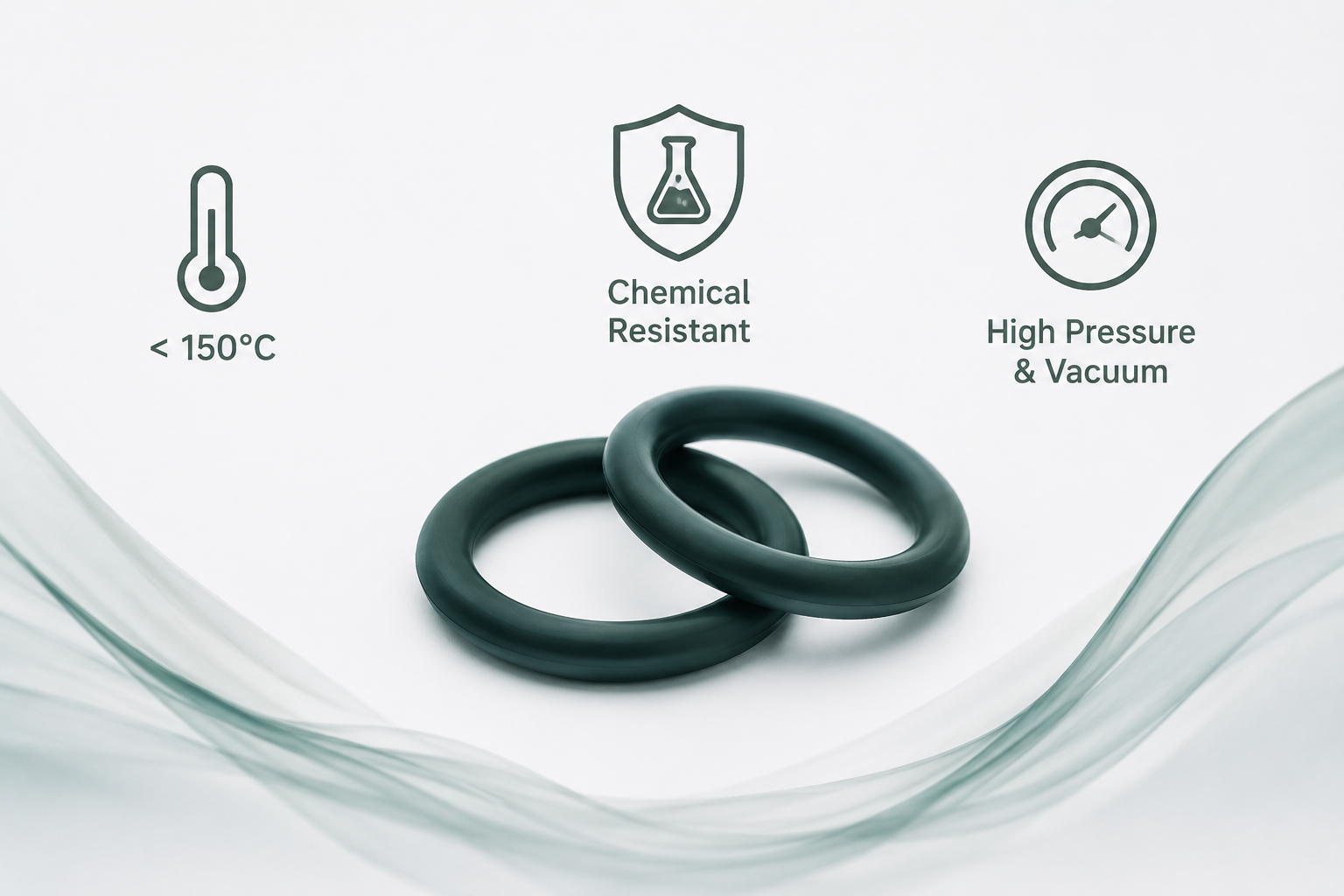
In aggressive chemical processing and high-temperature reactions, seal failure is not an option. When ordinary elastomers like NBR or EPDM degrade, swell, or leak under harsh conditions, Viton (FKM) O-rings serve as the premium sealing standard. They are engineered to ensure absolute process containment for your most demanding magnetic mixing equipment...
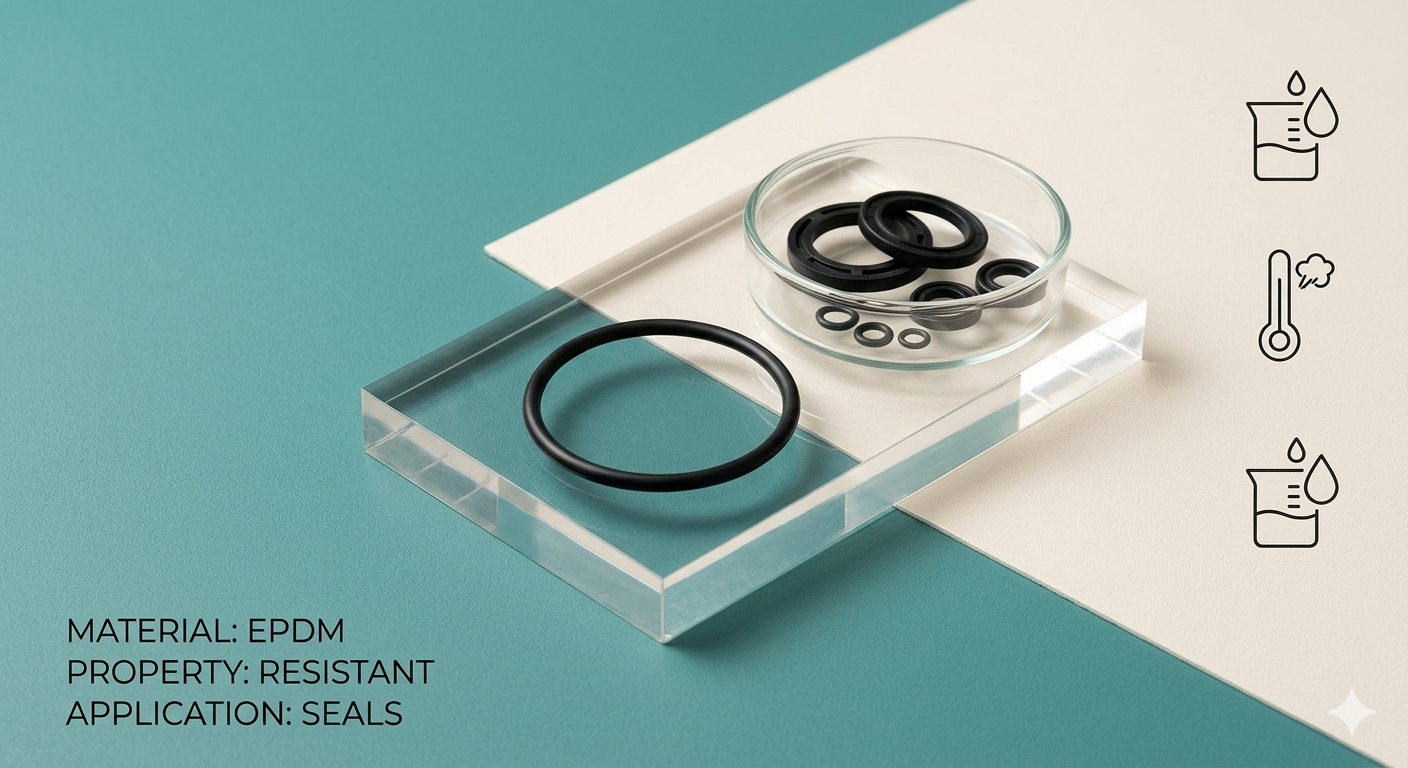
When laboratory and production processes cross into elevated temperatures, standard budget seals often fail. For high-humidity, thermal, and mid-range chemical environments, EPDM (Ethylene Propylene Diene Monomer...)
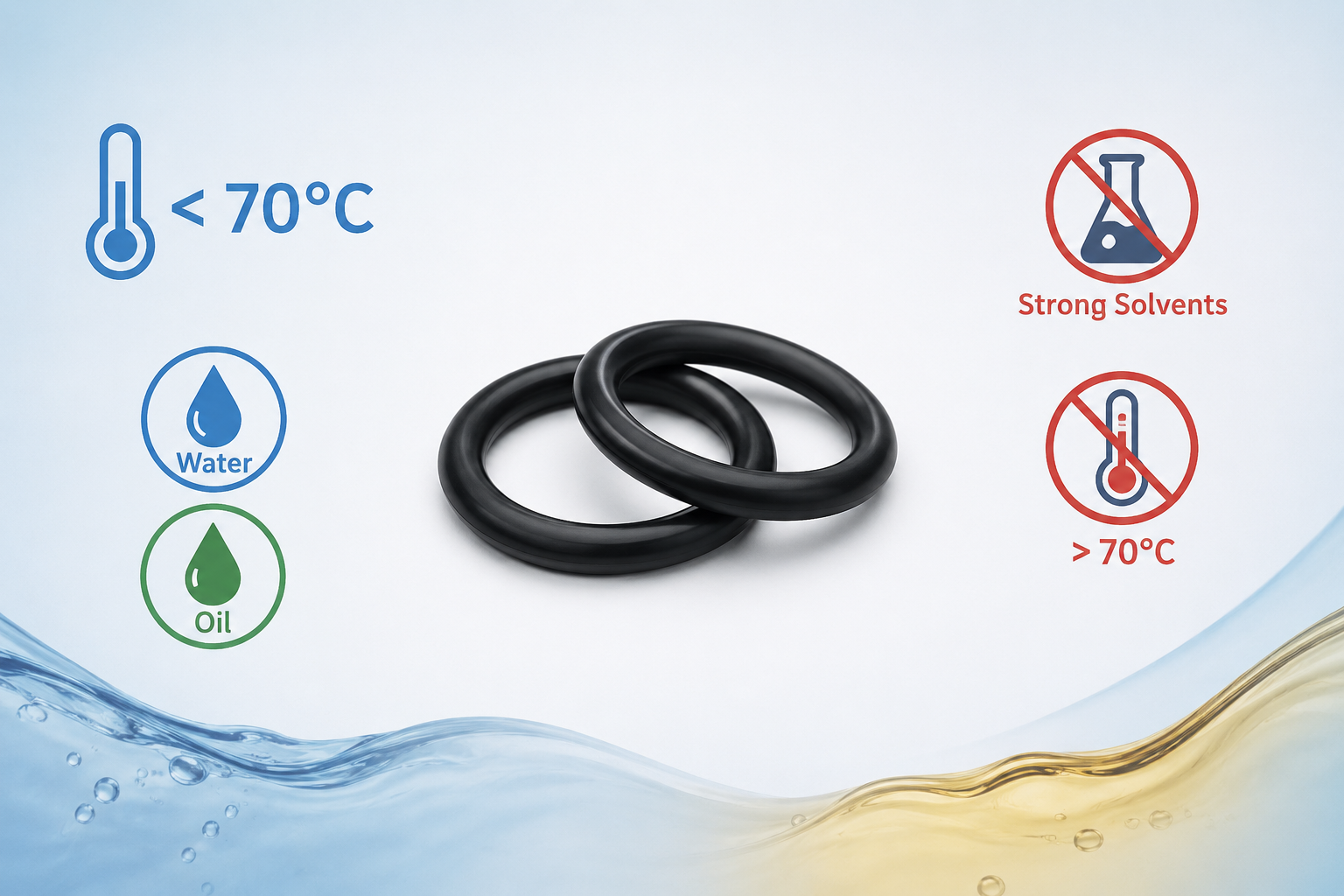
When it comes to selecting a reliable yet cost-effective sealing solution for your laboratory or industrial magnetic stirrer, NBR (Nitrile Butadiene Rubber) seals stand out as the ultimate budget-friendly choice. If your stirring applications do not involve aggressive chemicals or extreme thermal environments, NBR O-rings offer excellent value without compromising performance...
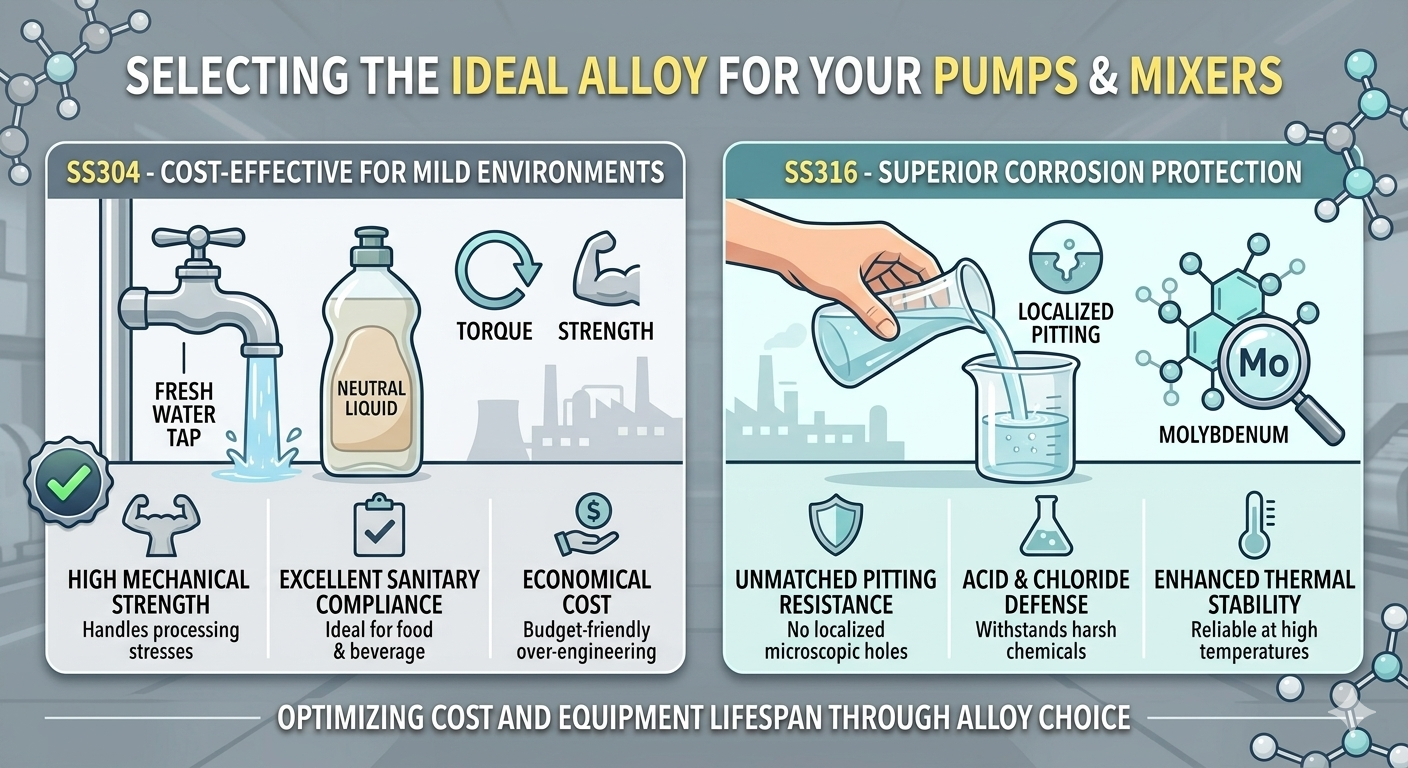
Choosing between SS304 and SS316 stainless steel is one of the most critical decisions faced by procurement managers and design engineers when purchasing industrial pumps and mixing equipment. While both alloys look identical on the showroom floor and provide exceptional mechanical strength, their performance in specific chemi...
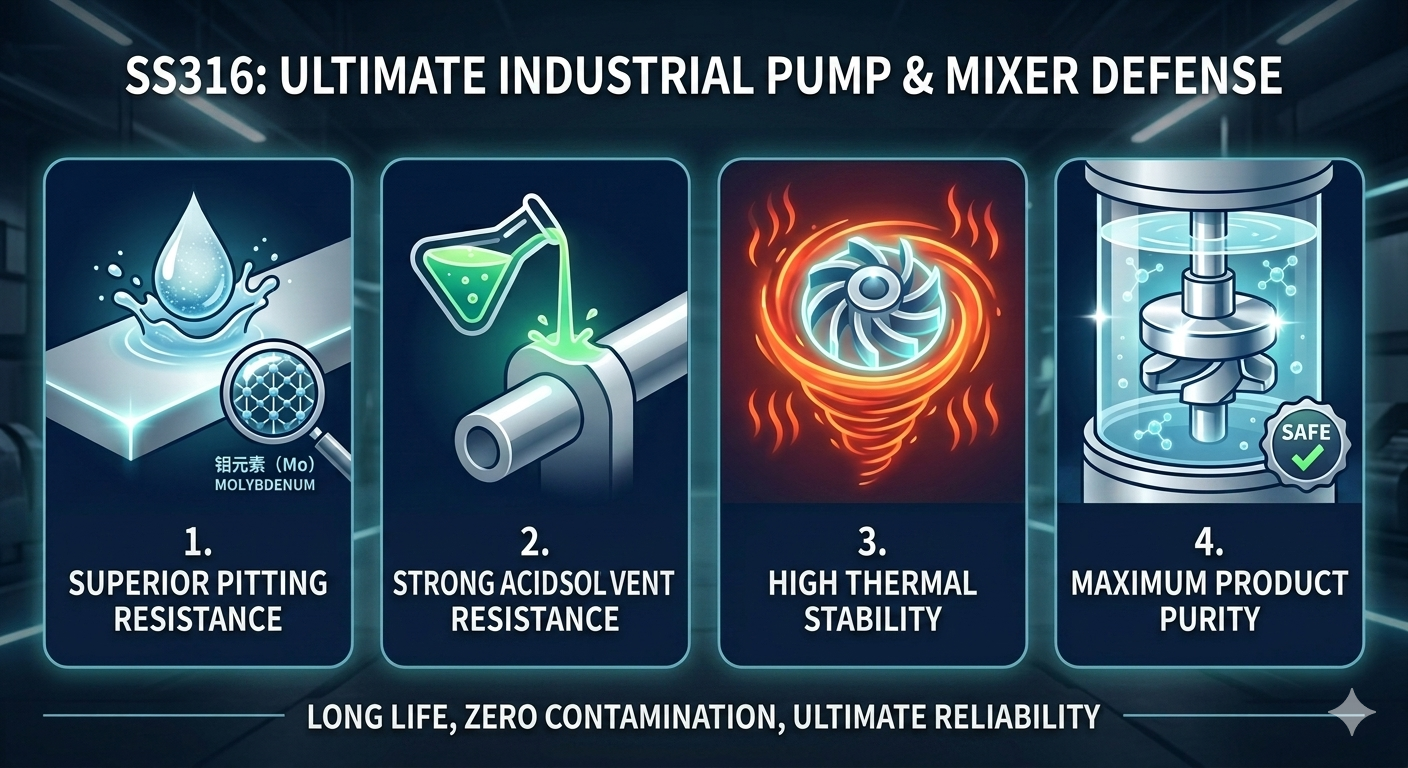
In harsh industrial environments, standard stainless steel often fails prematurely due to localized pitting and chemical erosion. For processing lines that handle corrosive fluids, high-salinity mixtures, or aggressive chemical com...
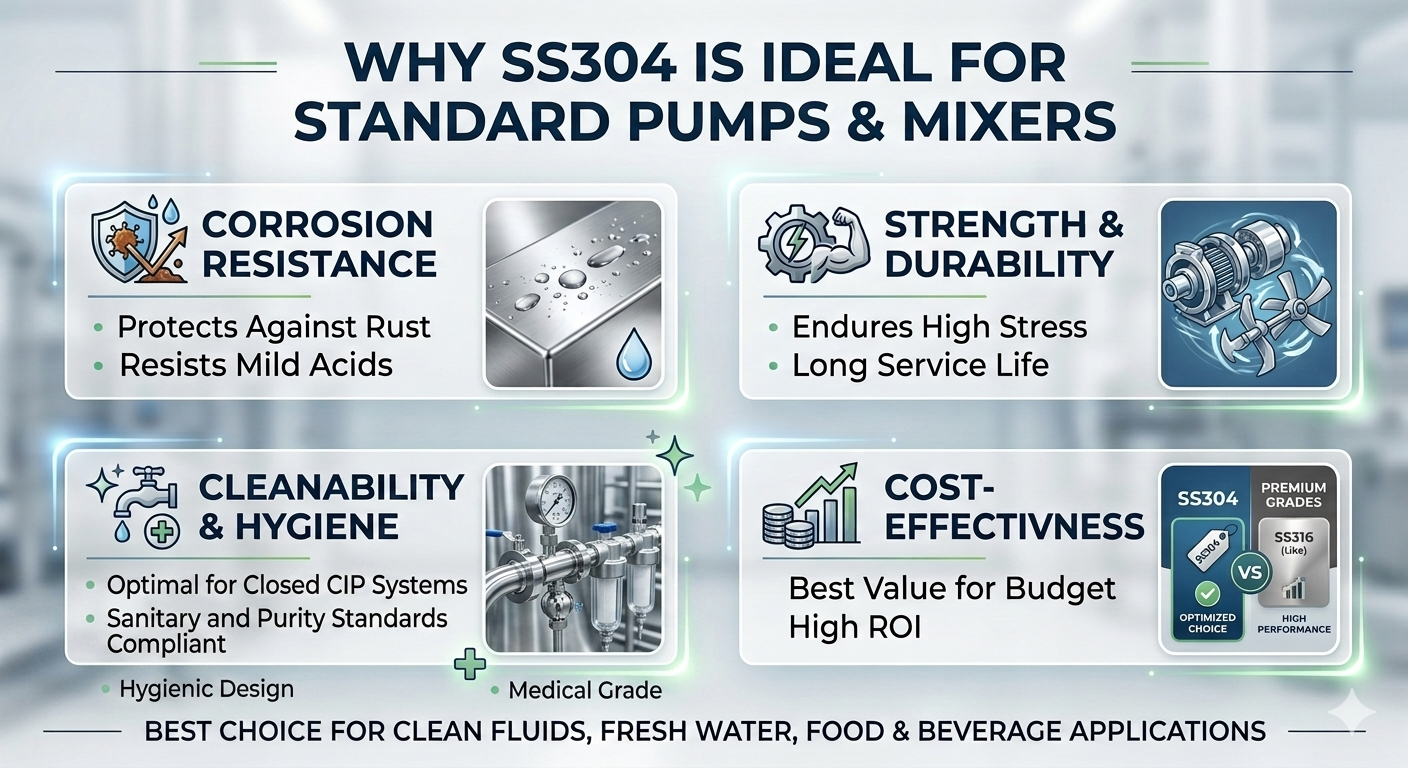
When designing high-efficiency fluid handling and processing lines, material selection directly impacts both your upfront budget and long-term machinery reliability. Among various alloys used in industrial manufacturing, SS304 (AISI 304 stainless steel) serves as the global benchmark. For a vast range of standard, non-aggressive applications, choosing an SS304 pump or mixing agitator offers an unbeatable combination of performance and affordability...
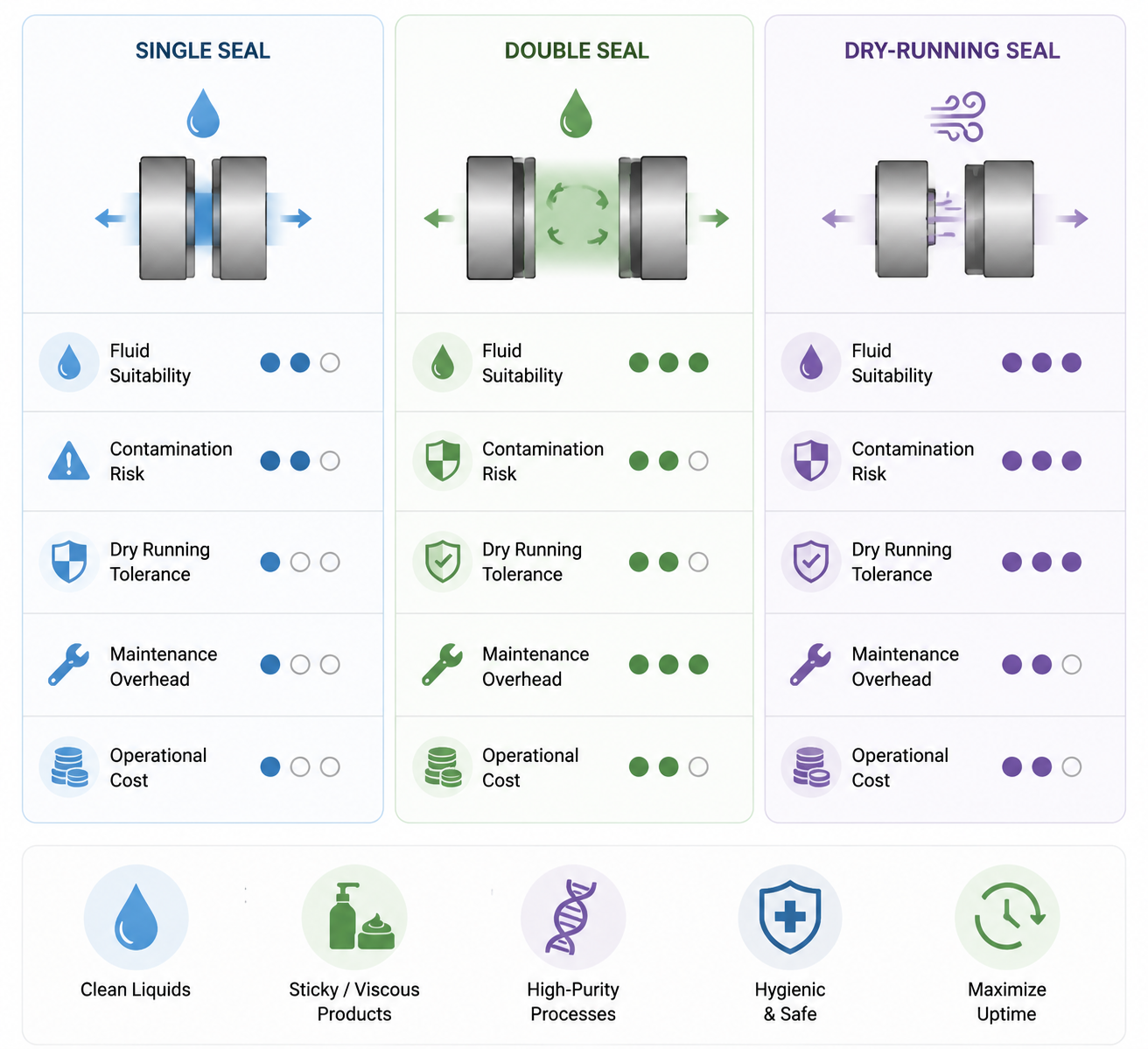
In sanitary pump procurement, selecting the appropriate sealing architecture affects process security, fluid contamination risks, and maintenance costs. For process engineers in the cosmetics, food, and pharmaceutical industries, choosing between single, double, or dry-running mecha...
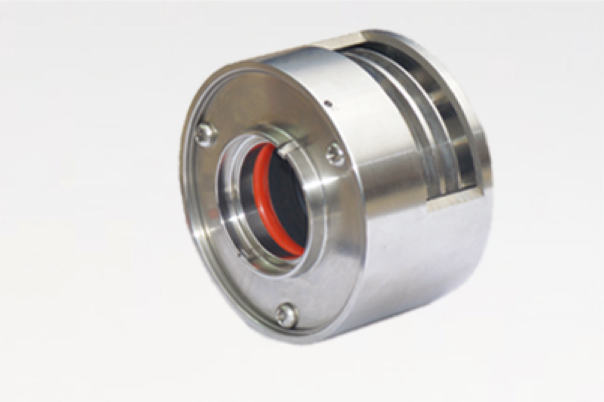
In sanitary fluid transfer, conventional mechanical seals rely on liquid films to lubricate and cool their rotating faces. However, external liquid flushing infrastructure poses contamination risks to formulations and increases operational complexity. For ultra-pure cosmetics, biotechnology, and pharmaceutical batches, dry-running mechanical seals offer an engineered alternative. Operating without external liquid lubrication, these components rely on structural metallurgy and micro-topographical aerodynamics to eliminate microbial growth zones and safeguard product purity...