
English
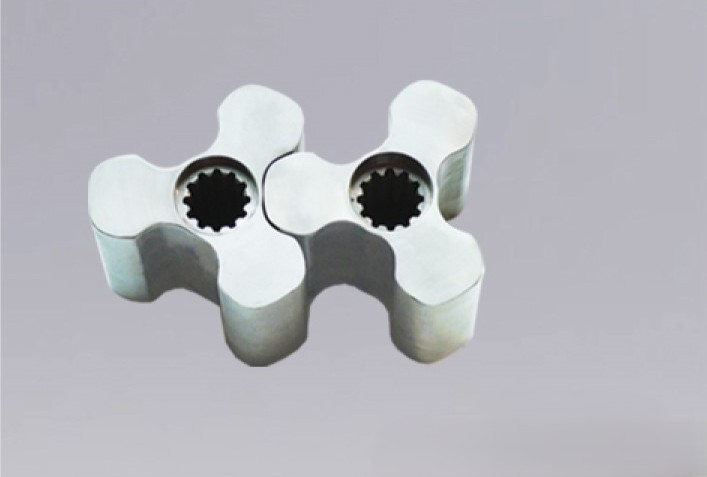
In the landscape of positive displacement pumping, achieving a flawless balance between smooth, continuous fluid flow and heavy-duty reliability is the ultimate engineering goal. While single-lobe and bi-wing butterfly rotors serve specialized niches involving extra-large particles, the tri-lobe rotor has established itself as the comprehensive industry standard for rotary lobe pumps. From hygienic food production lines to rugged municipal wastewater facilities, this profile is the go-to choice for operators worldwide.
This detailed guide explores the fundamental design characteristics of tri-lobe rotors, how they function within a rotary lobe pump, their primary technical advantages, and their typical industrial applications.
A rotary lobe pump operates via two synchronized, non-contacting rotors driven by an external timing gearbox located outside the wet end of the pump. These rotors spin in opposite directions within a precision-machined casing, carrying fluid along the perimeter from the suction side to the discharge side.
A tri-lobe rotor features three distinct, symmetrically arranged lobes (or teeth) on a single rotor shaft. The geometric profile is precisely engineered so that as the twin rotors turn, they maintain an incredibly tight, consistent clearance between each other and the inner walls of the pump housing, without ever making physical contact. This three-lobed configuration optimizes the internal geometry, splitting the fluid displacement into smaller, more frequent cavities during operation.
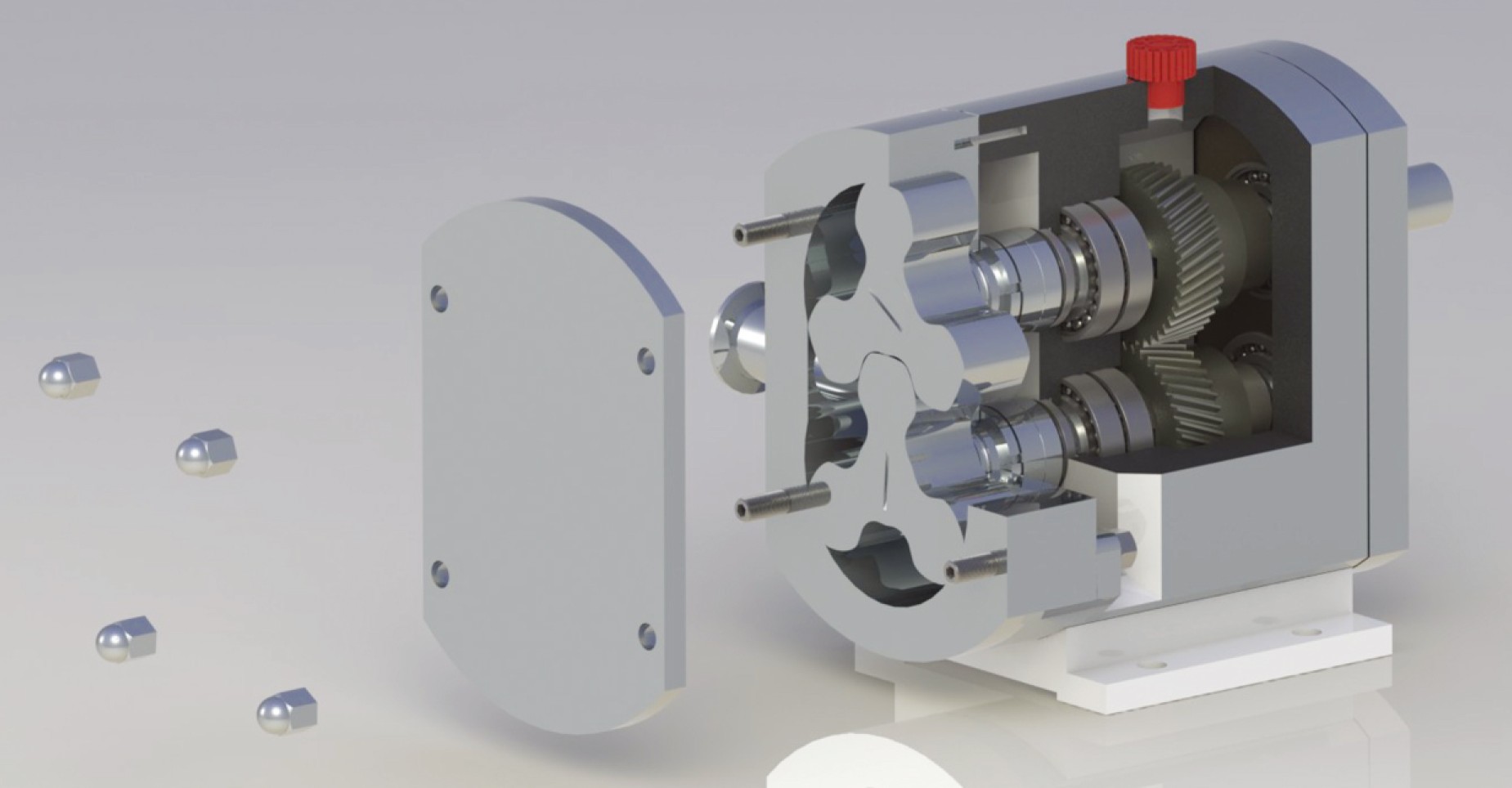
The mechanical process of a tri-lobe rotary lobe pump is smooth, continuous, and highly efficient. It can be broken down into three continuous phases:
The reason tri-lobe rotors have become the dominant standard across global manufacturing lies in their balanced, high-performance mechanical characteristics:
One of the primary challenges with positive displacement pumps is pulsation—the cyclical surge of pressure and flow as fluid pockets are discharged. Because a tri-lobe rotor divides the pumped volume into smaller, more frequent increments per revolution, it inherently delivers a much smoother, steadier discharge profile. This low-pulsation performance reduces system vibration, protects sensitive downstream piping, and ensures more accurate metering or feeding.
With three lobes constantly in motion, a tri-lobe configuration establishes more simultaneous sealing lines (or sealing points) between the rotors and the pump casing. These multiple sealing barriers dramatically reduce internal "slip"—the backflow of fluid from the high-pressure discharge side to the low-pressure suction side. This makes the tri-lobe rotor highly efficient, even when pumping lower-viscosity fluids or operating against high system pressures.
Tri-lobe rotors offer a perfect middle ground for fluid thickness. They possess enough open cavity space to easily draw in high-viscosity pastes, gels, and polymers without starving the pump, while maintaining tight enough sealing profiles to efficiently handle thin, water-like fluids without losing pressure.
Despite having more lobes than a bi-wing design, the tri-lobe profile still operates on a non-contacting, low-speed principle. It handles shear-sensitive liquids with extreme care. The gentle transport mechanism prevents the degradation of delicate emulsions, cellular structures, or polymer chains during the transfer process.
Thanks to its balanced performance, the tri-lobe rotary lobe pump is utilized across a vast array of demanding commercial and industrial sectors:
The smooth flow and highly cleanable nature of tri-lobe pumps make them essential for hygienic processing. Typical sanitary applications include:
In fields where precise dosing and zero contamination are mandatory, tri-lobe pumps excel. They are widely used for:
The high volumetric efficiency under pressure makes tri-lobe rotors ideal for industrial chemical lines transferring:
In wastewater treatment, tri-lobe pumps are often favored for transferring clean water, chemical dosing agents, and light-to-medium sludges where steady flow control and reliable pressure generation are required to feed filtration systems.
To get the longest lifespan and highest ROI out of your tri-lobe rotary lobe pump, implement the following operational best practices:
The tri-lobe rotor represents the pinnacle of balanced engineering within positive displacement pump technology. By seamlessly blending low-pulsation flow, high volumetric efficiency, and gentle fluid handling, it has earned its reputation as the true industry standard. Whether your application requires strict sanitary compliance in a food factory or consistent pressure delivery in a chemical plant, the tri-lobe rotary lobe pump provides a highly reliable, low-maintenance solution that keeps your production moving smoothly.