
English
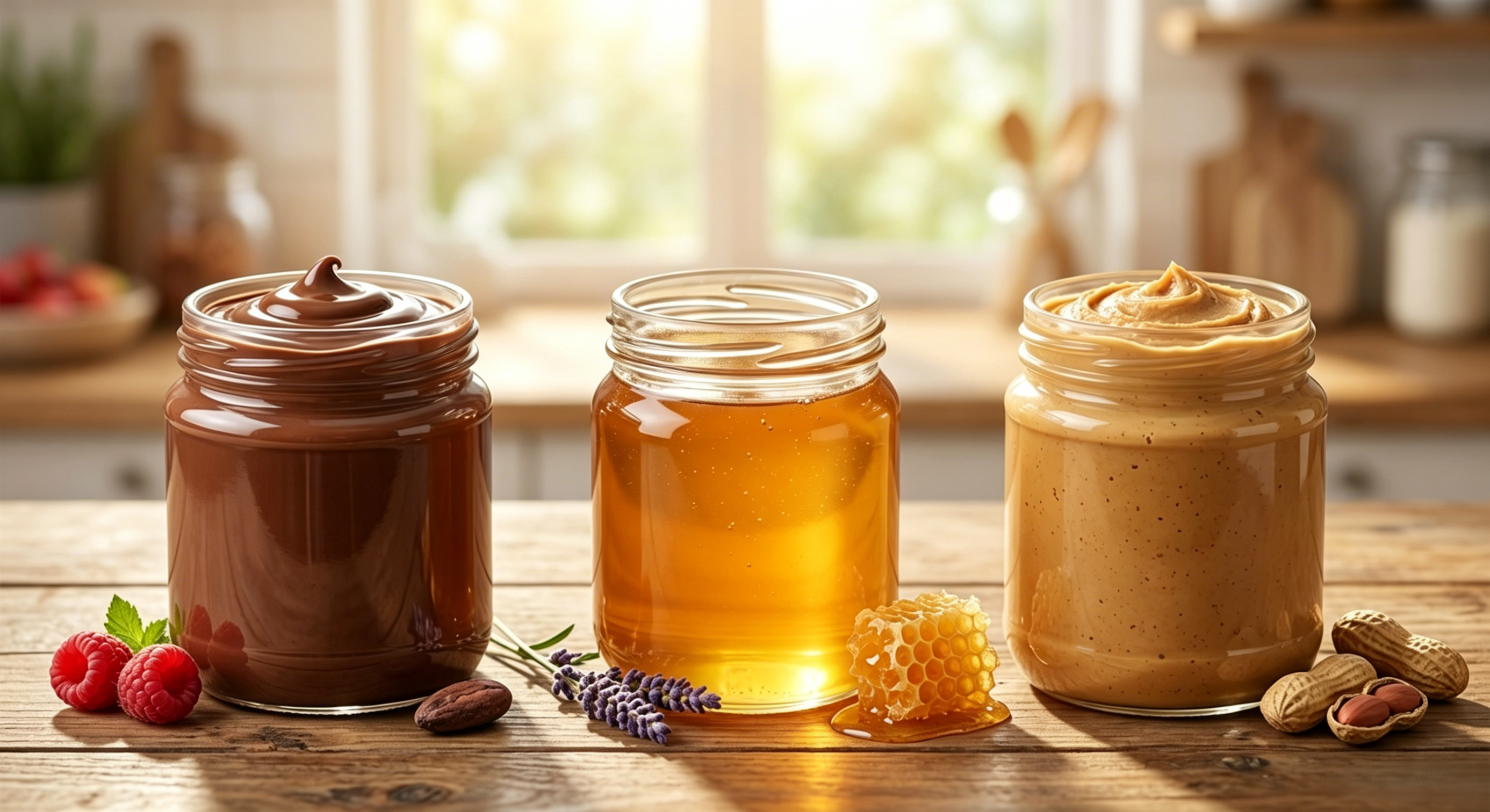
As a seasoned manufacturer of sanitary twin-screw pumps, I’ve seen firsthand how chocolate, honey, and peanut butter can bring a production line to its knees. These aren’t just sticky messes—they’re engineering nightmares that demand precision, patience, and the right equipment. Let’s cut through the fluff and get real about flow optimization.
Why These Three Ingredients Are Your Line’s Worst Enemy
Chocolate is a diva: too much shear and the cocoa butter separates, turning your premium batch into a grainy disaster. Honey is a clingy Newtonian fluid that changes viscosity wildly with temperature, forcing pumps to overheat and struggle. Peanut butter is a gritty, non-Newtonian bully that wears down standard lobes and gears like sandpaper. Traditional gear or lobe pumps? They choke, pulse, and create blockages that cost you downtime and product waste.
The Twin-Screw Advantage: No Pulses, No Shear, No Slip
Here’s where the food-grade twin-screw pump changes the game. Its two intermeshing, non-contacting screws rotate inside a chamber, moving product axially in closed cavities. No squeezing, no beating, no agitation. The result? Gentle, low-shear transfer that keeps chocolate’s crystalline structure intact, honey’s viscosity stable, and peanut butter’s texture smooth. Forget the pressure spikes and pulsations from lobe pumps—twin-screw delivers a continuous, uniform flow that feeds enrobers, bottlers, and fillers with exact volumetric dosing, eliminating spillage and waste.
Handling Extreme Viscosities Without Breaking a Sweat
Because the screws maintain tight internal clearances, slip—the backflow that plagues gear pumps—is virtually eliminated. This means your twin-screw pump can generate high discharge pressures to push thick peanut butter or heavy honey through long, complex piping without stalling. And when you pair it with a heating jacket? Chocolate and honey stay at the optimal temperature, preventing solidification during startups or temperature drops.
Practical Steps to Peak Performance
First, install a steam jacket on the pump head to maintain precise temperatures for chocolate and honey. Second, keep suction piping short, wide, and gravity-fed by positioning the pump directly under the hopper—this is critical for peanut butter’s high suction demand. Third, use a variable frequency drive (VFD) to run low-speed, high-torque during viscous transfers for maximum volumetric efficiency, then ramp up for CIP cleaning cycles.
Durability That Pays for Itself
Peanut butter’s abrasive particles will shred standard lobes within months. But in a twin-screw pump, the screws never touch each other or the casing—metal-to-metal friction is zero. Built from 316L stainless steel, these pumps run 24/7 on abrasive peanut butter without internal wear. Your spare parts budget? Drastically reduced. Your uptime? Dramatically increased.
The Bottom Line
Optimizing flow for chocolate, honey, and peanut butter isn’t just about keeping the line moving—it’s about protecting product integrity, cutting energy costs, and maximizing profitability. A food-grade twin-screw pump delivers the low-shear handling, pulsation-free delivery, and robust torque needed to master sticky fluid processing.
Ready to eliminate bottlenecks and stop throwing money at blockages? Reach out to my team today for a custom twin-screw pump configuration and CAD drawings tailored to your factory’s layout. Let’s make your line run smooth, sweet, and profitable.